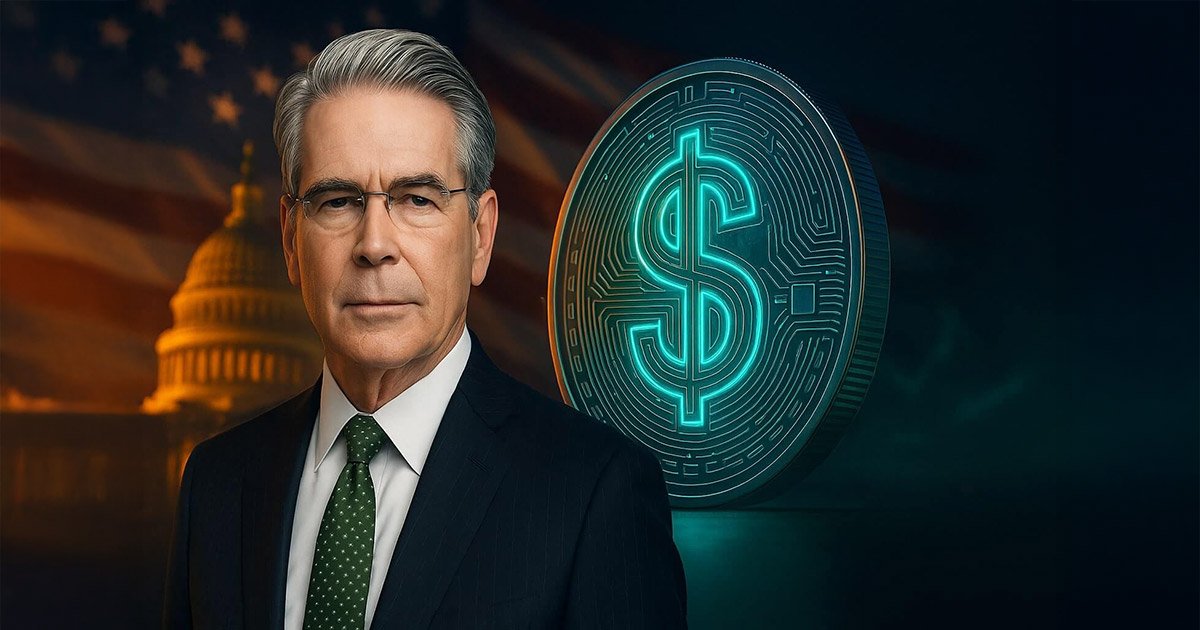
Bessent called the outcome “a win-win-win” for issuers, the Treasury, and consumers because payment coin reserves would sit largely in short-dated US Treasuries, lifting demand for the securities and easing financing pressure.
The Senate will vote on the GENIUS Act today, with the session starting at 4:30 PM Eastern Time.
Majority Leader John Thune placed the measure on the chamber’s last voting block before it moves to the House.
The bill would require every payment stablecoin to hold high-quality, highly liquid assets equal to tokens in circulation, chiefly Treasury bills or insured deposits while barring issuers from offering yield.
Accounts segregated from operating capital must hold the reserves, and issuers must implement Bank Secrecy Act programs, conduct customer due diligence checks, and report suspicious activity.
Entities with more than $10 billion in liabilities would need a federal charter, but smaller issuers could operate under state regimes that meet federal standards, subject to joint examinations.
The legislation directs the Treasury to publish quarterly reserve audit templates and grants the Commodity Futures Trading Commission limited enforcement authority in the spot market.
Senate supporters say Minority Whip Bill Hagerty’s amendment, if adopted, could let the House pass the bill without a conference committee, speeding enactment.
Bessent linked the reserve mandate to an anticipated surge in private demand for Treasury bills, remarking that the fresh buyer base could help “rein in the national debt.” He added that dollar-denominated payment coins would introduce millions of users worldwide to digital-asset rails settled in US currency.
The Senate’s decision later today will determine whether those fiscal and market effects move beyond projection.