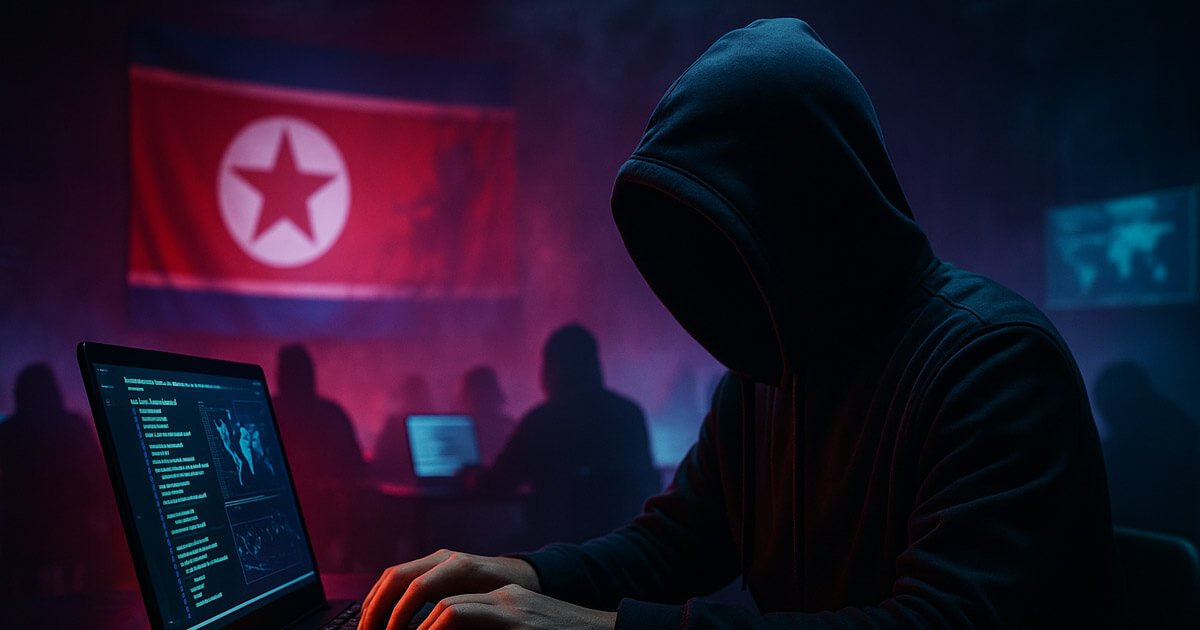
A new wave of cyberattacks shows the DPRK is exploiting the crypto industry’s recruitment funnel, using fake LinkedIn job offers, deep‑fake Zoom calls, and backdoored interview files to access Web3 developers’ wallets and repositories.
With seasoned developer talent already thinning and open‑source protocols increasingly reliant on individual contributors, the stakes have never been higher.
The stolen assets are routinely funneled through mixers such as Tornado Cash and Sinbad, laundering Pyongyang’s take and ultimately bankrolling its weapons programme, according to the U.S. Treasury.
The targets are carefully selected. The open‑source nature of crypto protocols means that a single engineer, often pseudonymous and globally distributed, may hold commit privileges to critical infrastructure, from smart contracts to bridge protocols.
Yet despite the technical sophistication, law‑enforcement pressure is mounting. The FBI’s domain seizures, the DoJ’s financial forfeitures, and Treasury sanctions on mixers have begun to raise the cost of doing business for Pyongyang’s hackers. The regime, however, remains adaptive.
In a world where jobs can be remote, trust is digital, and software runs the money, the subsequent state‑sponsored breach may begin not with an exploit but with a handshake.