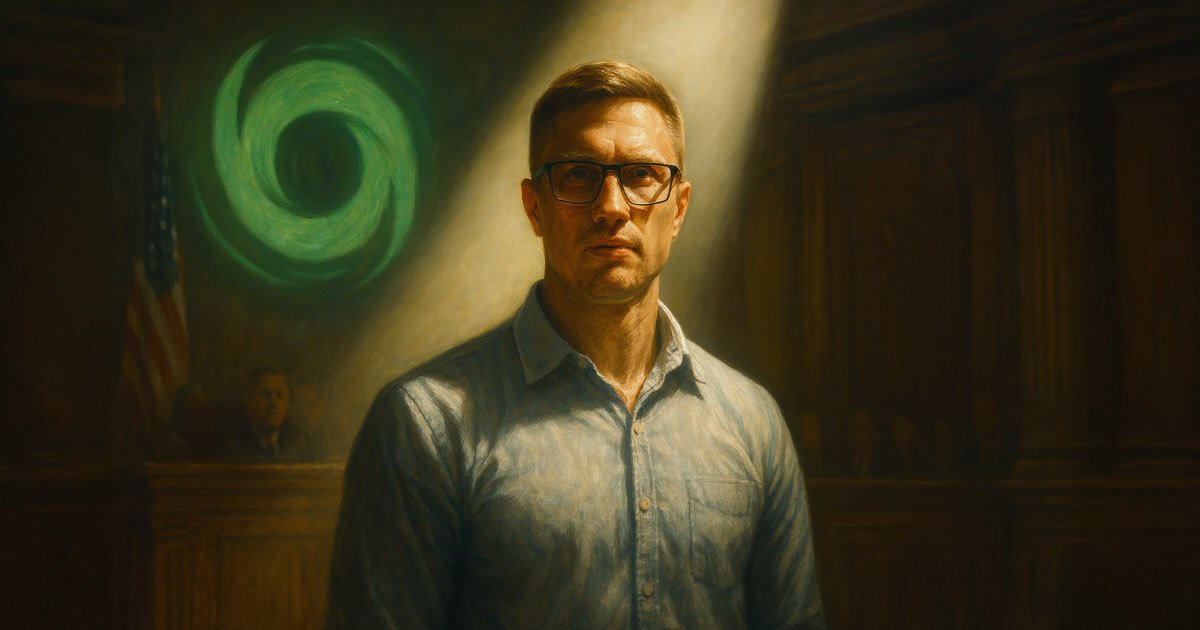
Judge Katherine Polk Failla revealed that the jury had submitted a note stating some members were firmly set in their positions, signaling a deadlock. She acknowledged the situation, saying the court might need to accept a partial verdict rather than wait indefinitely for full consensus.
Storm’s attorney, Brian Klein, urged the court to recognize the jury’s impasse. He suggested the panel should mark each charge as “Guilty,” “Not Guilty,” or simply write “No Agreement” where consensus couldn’t be reached.
Prosecutors, led by Assistant US Attorney Thane Arad, proposed a different approach of encouraging jurors to return verdicts on charges where agreement existed while continuing deliberation on the rest.
However, Judge Failla instructed the jury that they could return any completed verdicts, continue debating the unresolved counts, or formally report their deadlock.
His case has drawn significant support from the crypto community, which argues that Storm simply wrote open-source code and should not be punished for how others used it.
Industry leaders have warned that this approach risks criminalizing software development itself and urged lawmakers in the US to clarify that writing code, especially open-source tools, should not be treated as operating an unlicensed money transmission business.