Fifteen years ago today, Satoshi Nakamoto typed out a short, almost casual statement on a Bitcoin forum that would end up sounding prophetic:
“The utility of the exchange made possible by Bitcoin will far exceed the cost of electricity used. Therefore, not having Bitcoin would be net waste.”
It traded for a mere $0.07 at the time — Aug. 7, 2010 — and largely among a small group of early adopters. It could be mined on a desktop computer.
As many wondered back then whether or not Bitcoin would ever be able to warrant its energy consumption footprints, today the demand has expanded beyond the individual level to institutions — even nations.
The United States is said to be compiling a Strategic Bitcoin Reserve, an idea which would’ve been absurd back in the year 2010 but today sounds like the next course of the asset within the world of global finance.
Bitcoin’s price action this week offers a real-time example of how it’s now influenced by the same forces as gold, bonds, and other macro assets.
The Bank of England just cut interest rates by 25 basis points to 4.00% — its second cut this year — in a bid to steer inflation toward its 2% target.
According to the argument made by Satoshi, the utility of bitcoin is no longer simply about peer-to-peer transactions. It has developed into a liquid, universally recognized store of value responding to central bank action, investor sentiment, and geopolitics.
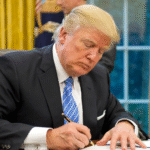
Nevertheless, volatility has not gone away. Tariff plans by Trump and slower-than-projected cuts by US interest rates have deflated some of the air from Bitcoin’s previous highs, demonstrating that even in 2025, macro headwinds can tumble it down sharply.
Fifteen years later, the comment by Satoshi on electricity and utility doesn’t come across as prophecy alone — it comes across as challenge.
And so far, Bitcoin has seemed determined to prove him right.
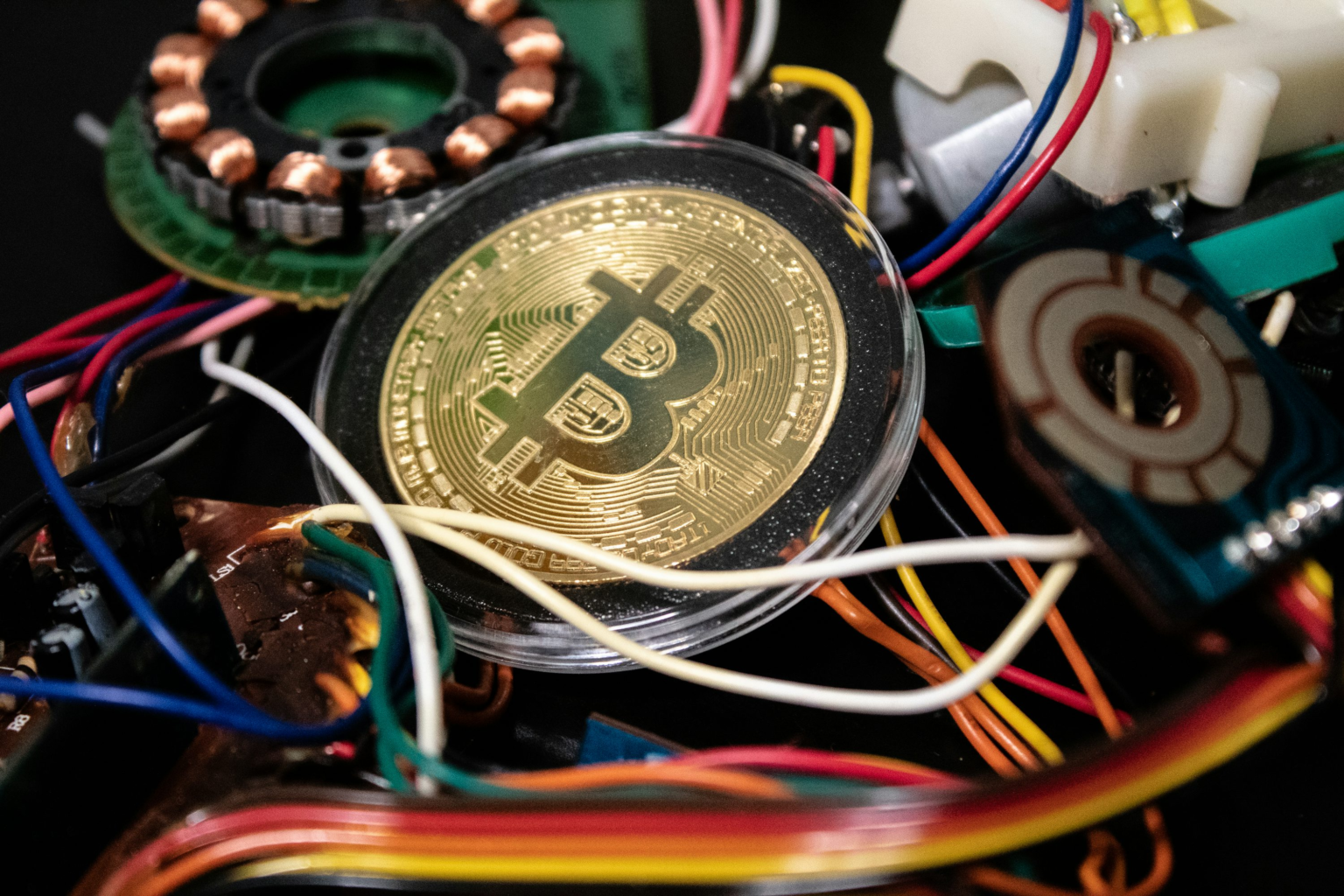
Featured image from Unsplash, chart from TradingView