Ripple’s long-running strategy is to embed its technology across the world’s financial plumbing—piece by piece and across multiple functions—according to Phil and Dom Kwok, the brothers behind the Easy app, in a new appearance on the Paul Barron Show. The founders characterized what they called “the Ripple plan” as a coordinated effort to place XRP Ledger–based infrastructure and the company’s software wherever institutions already operate, rather than trying to disintermediate them.
“So obviously, Hidden Road on the brokerage side, G-Treasury just now on the treasury side. Rail as well on the stablecoin side. And I think, once you start to see all of those different pieces come together, that’s really where you’re going to start to see sort of the power of what they’ve been building over the last many years.”
He added that the goal is ubiquity across touchpoints: “no matter which bit of the financial infrastructure someone is interfacing with, they are ultimately, indirectly, even if they don’t know it, touching, an aspect of Ripple’s tech.”
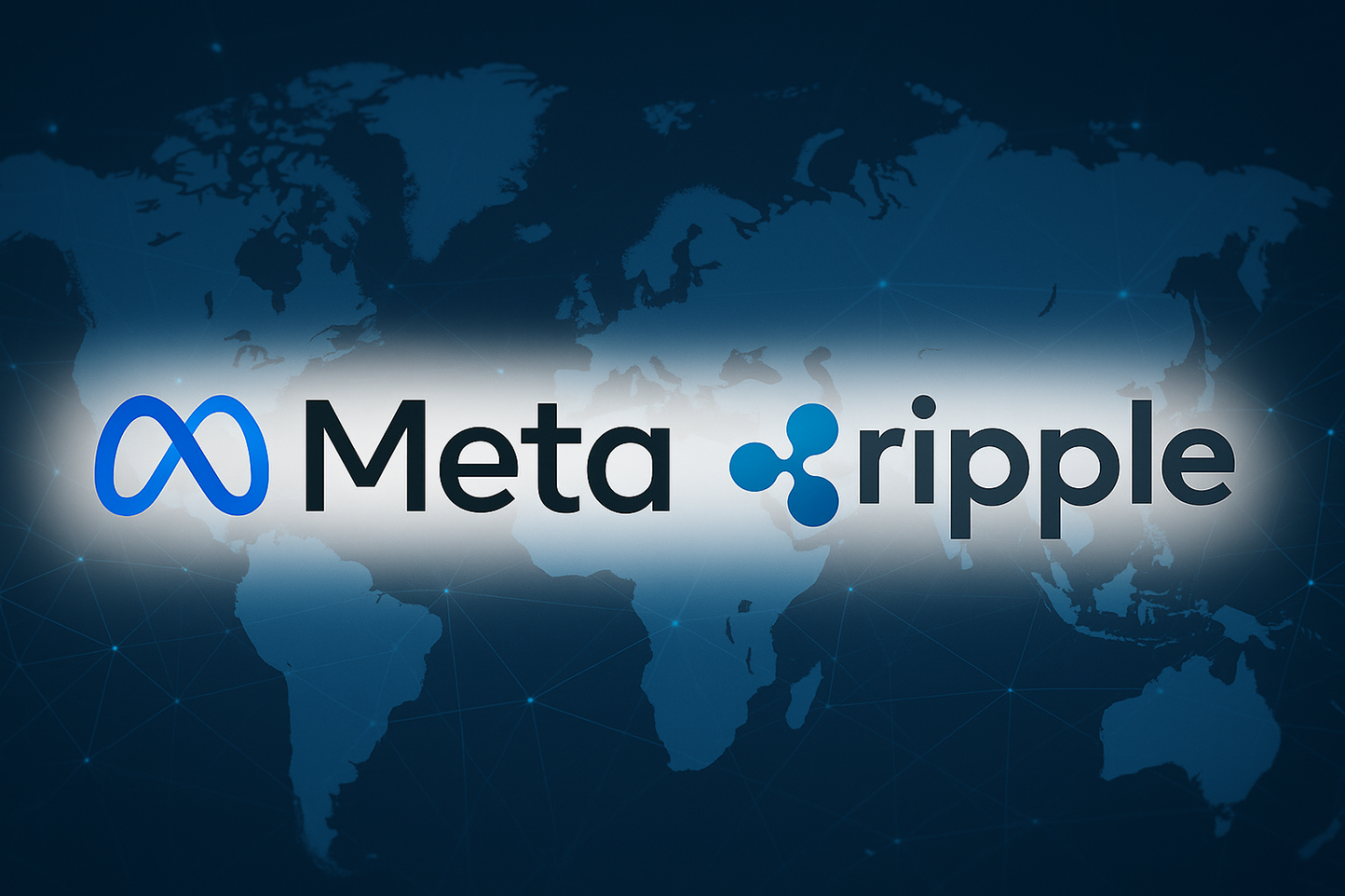
To illustrate the roll-up logic, Dom pointed to how large tech platforms expand into adjacency through acquisitions and integrations: “A great example is Facebook, which is now obviously called Meta. They bought Instagram, then they bought WhatsApp… these are standalone companies that were then rolled up and actually became much more valuable once they all came together.”
In his view, the analogy fits because end users may not realize they are engaging with a common underlying platform when interacting with seemingly distinct brands—a dynamic he suggested the company is replicating in finance.
Pressed by host Paul Barron on whether the recent moves reflect a coherent long-term strategy or opportunistic deal-making, Phil Kwok emphasized continuity with Ripple’s institutional, incremental approach, while stopping short of revealing anything not already public.
“I don’t want to say anything that’s not, you know, public yet,” he cautioned, before outlining the philosophical through-line: “If you… look at Ripple’s approach, it’s always been different to the traditional sort of… cypherpunk sort of approach.”
“We’re going to work together with banking institutions… And so I think that what you’re starting to see right now and what we can talk to publicly is… this strategy really coming into the fore. And you’re starting to see Ripple make big moves to actually capture that and cement what it’s been building over the past decade.”
In Dom’s words, the destination is an environment where, across “the whole financial infrastructure that powers the world,” interacting entities are “indirectly… touching… an aspect of Ripple’s tech.”
At press time, XRP traded at $2.40.