


What to Know:
Kyrgyzstan surprised the stablecoin world with $USDKG, a gold-backed dollar coin that comes with a $50M first mint.
It’s a different style in a market where most issuers rely on T-bills and repo. This launch is not just a flashy headline. It shows Kyrgyzstan wants more freedom in cross-border trade in a world full of sanctions and red tape.
It also pushes the idea that dollar-pegged coins do not always need US financial plumbing behind them.
Simple. But the backing is the twist. Gold replaces the usual short-term US assets. If USDKG becomes useful for settlement in Central Asia and nearby regions, we could see other countries and commodity exporters try non-Treasury collateral, too.
It won’t shake the US.bond market tomorrow, but it does widen the design space for stablecoins. Think of it as switching from a single spice kitchen to a full spice rack.
This shift brings wallets into the picture. People don’t change stablecoins alone – they change the tools they use. A wallet that handles swaps, cuts fees, and helps you find new assets becomes the winner.
If gold-backed and commodity-linked stablecoins pick up speed, users will want wallets that make juggling multiple coins painless.
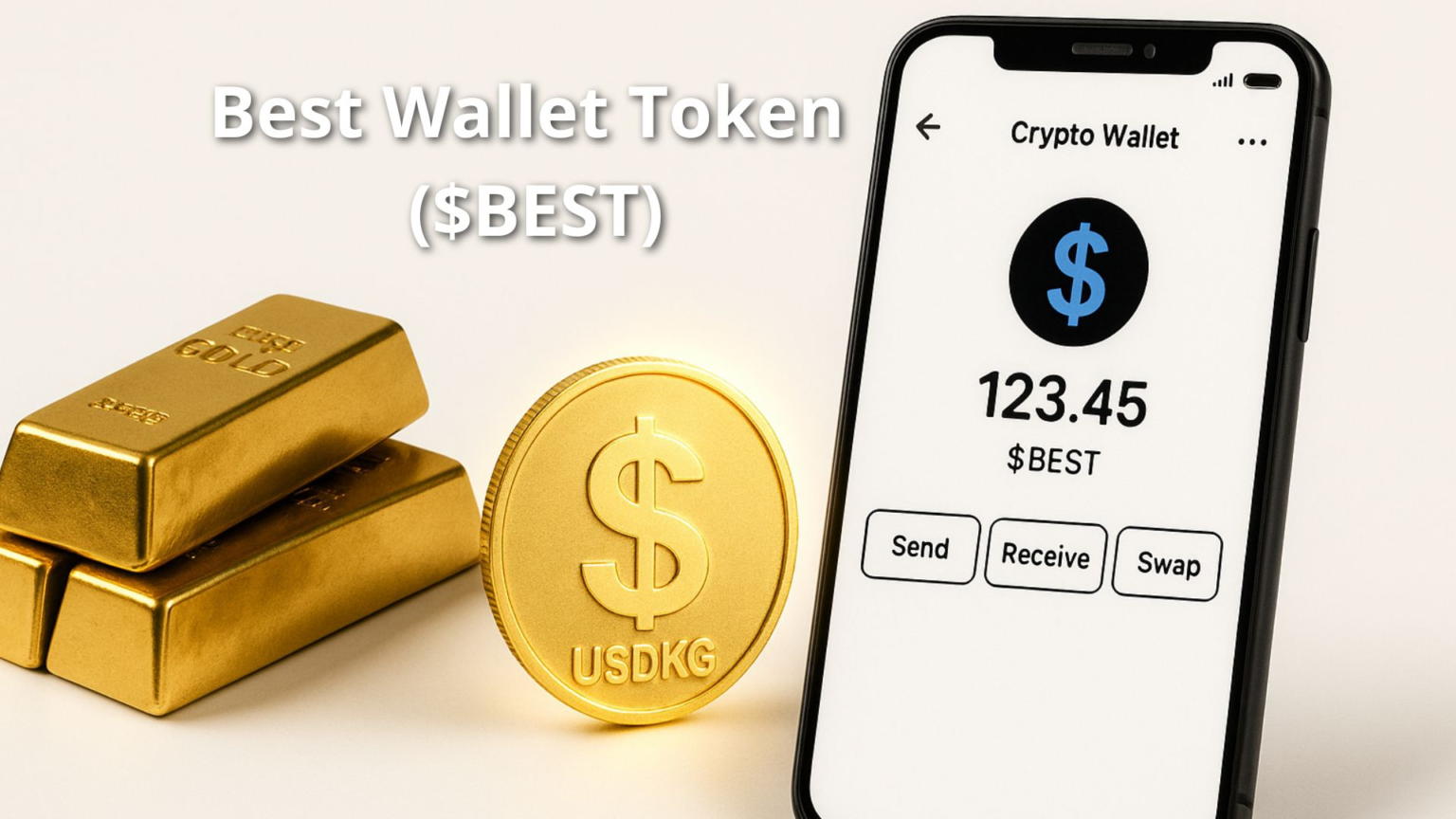
That’s where $BEST fits. The token supports an ecosystem made for cross-chain swaps, presale access, and smoother on-off-ramp flows.
When collateral changes, user habits change too. Gold backing means nothing if you can’t hold USDKG next to USDT, USDC, and your favorite RWA tokens without stress.
Inside the app, a DEX aggregator pulls liquidity across some 300 chains and 30 bridges. You rebalance your assets with one tap instead of spending a week crying over gas fees, failed approvals, and mystery errors.
$BEST shapes the economics of the wallet. Hold it, and you pay fewer fees. Swaps can get better terms when the network is busy.
In a future where gold coins, sovereign coins, and tokenized Treasuries sit side by side, this curation layer becomes useful. You find new assets while staying inside one interface that already holds your $BTC, $ETH, $SOL, and standard stablecoins.
Add portfolio tools, multiple wallet support, and anti-fraud features, and you end up with an app built for fast moves between new stablecoin rails and the wider crypto market.
If USDKG and similar coins create new trade routes, the wallets that lower switching costs will capture users.
Macro forces help this story. Stablecoins already hold huge piles of T-bills and dominate on-chain liquidity.
If some capital shifts toward gold-backed or commodity-linked models, that could expand stablecoin use cases rather than shrink them. In that world, wallet-layer tokens can capture a steady flow of fees and loyalty.
The setup is simple: give the token real perks inside the app and reward people who use it. That includes reduced fees, early allocations, and higher engagement through staking.
As cross-chain swaps and launchpad tools grow, the token becomes something you feel in daily use, not just a number on a dashboard.
Holders get cheaper transactions, exclusive early access to trusted new projects before they launch publically, and a voice in which chains and features appear next.
At the current presale price, future listings and feature rollouts matter mainly through fee savings and access. That is a healthier angle in a market where narratives move quickly and every little transaction cost adds up.
This article is for informational purposes and doesn’t constitute financial advice. Always do your own research (DYOR) before investing in crypto.






