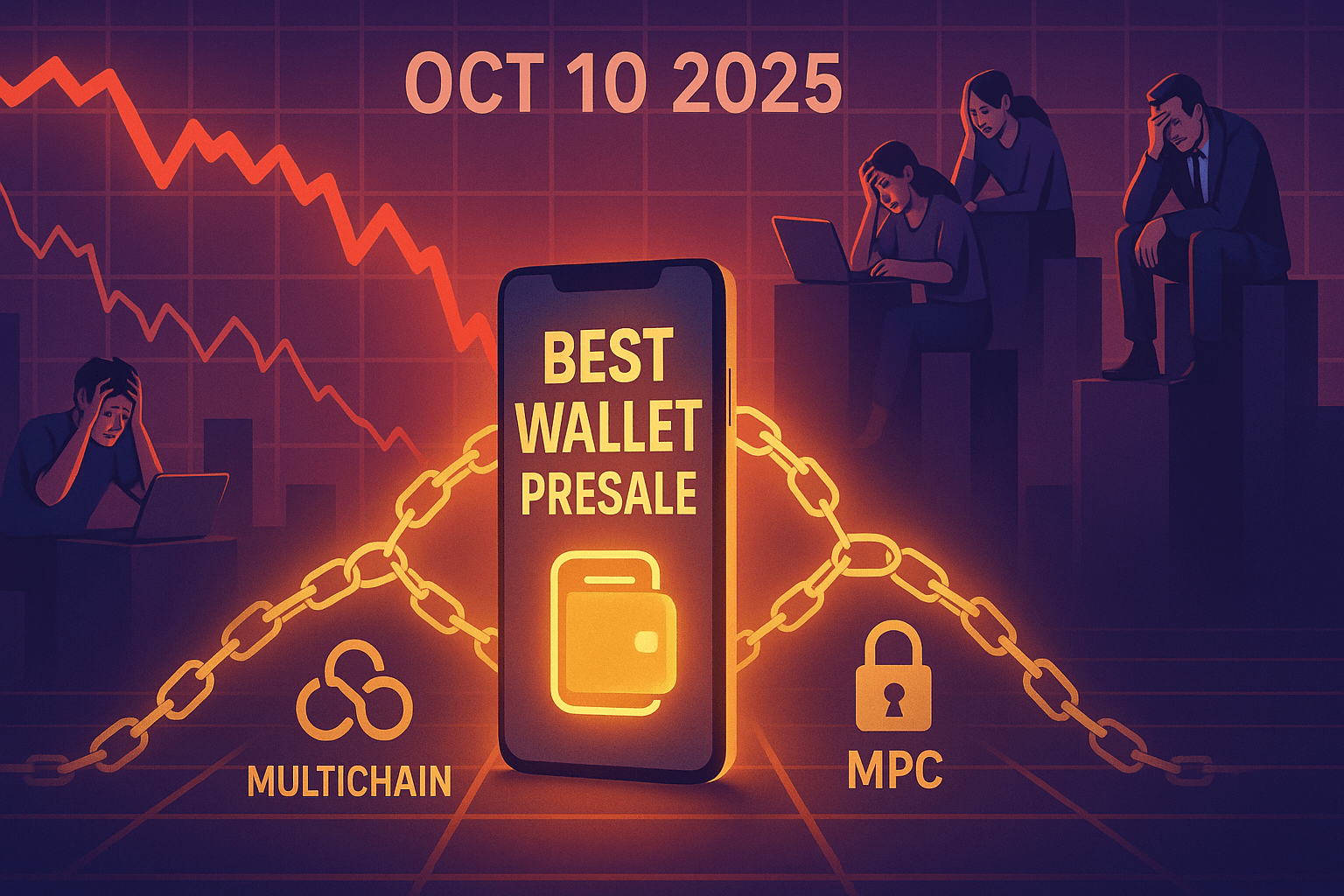
The October 10 crypto crash wasn’t just another violent wick on the chart. According to Tom Lee, chairman of Ether-focused treasury and market-making firm BitMine, the selloff exposed “structural weaknesses” within major liquidity providers that only become visible when volatility hits hard.
For regular users, that kind of liquidity vacuum isn’t just macro noise. It’s when swaps fail, fees spike, and centralized wallet pipelines become bottlenecks precisely when you need them most.
In a post-crash environment where structural fragility is once again front and center, that message is resonating.
Lee’s point is simple but uncomfortable: when major market makers run aggressively leveraged books, a shock like the October 10, 2025, crash can flip a liquidity provider into a forced seller almost instantly.
Once those books start unwinding, liquidity doesn’t just thin, it evaporates. Slippage spikes, execution quality drops, and long-tail tokens or smaller venues become structurally untradeable for hours.
We’ve seen versions of this story before. Centralized exchanges and brokerages often look stable right up until volatility reveals mismatched liabilities or overextended positions. For everyday users, the question is painfully practical:
Different wallets are attempting their own solutions.
The team is openly targeting 40% of the global wallet market by the end of 2026, aiming at users who want institutional-grade security packaged inside a mobile-first interface.
The app’s multi-wallet portfolio system lets users cleanly separate long-term holdings, active trading, and experimental positions without juggling addresses.
Beyond storage, the product places a strong emphasis on access.
Payouts scale proportionally with each staker’s share of the pool, and staking is live during the presale, giving early buyers a head start on compounding.
That pitch appears to be resonating. The presale has already raised over $17.2M with tokens priced at $0.025975 and just 7 days remaining.
This article is for informational purposes only and should not be considered financial, investment, or trading advice.