


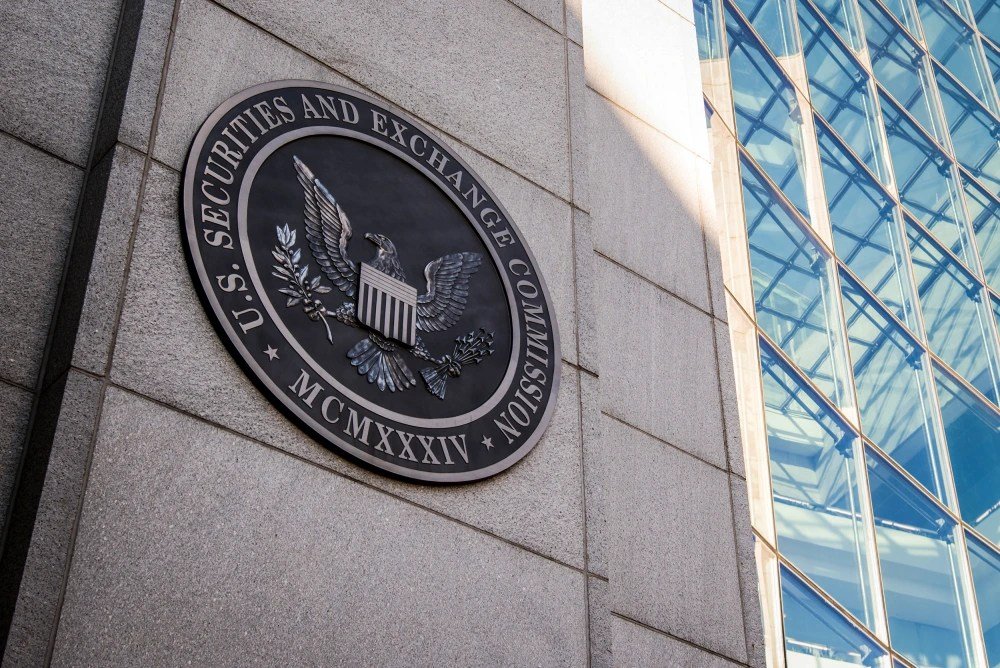
Coinbase has slammed the US Securities and Exchange Commission (SEC) for a “destroy-and-delay approach” to records, accusing the agency of erasing crucial text messages related to pending crypto litigations
Coinbase’s CLO, Paul Grewal, explained that the company asked the US District Court for the District of Columbia to address the “gross violation of public trust” that the regulatory agency was recently part of “to ensure it never happens again.”
According to the court filing, the SEC “revealed to the world just days ago that the agency has forever stymied public investigation of these issues by flouting FOIA’s mandates and destroying key documents.”
Coinbase’s court case highlighted that the recent report detailed how the Commission has “excluded” SEC officials’ text messages when processing FOIA requests, even if many constituted agency records subject to the request. Additionally, it revealed that the lost Gensler text messages “were destroyed (…) after these FOIA requests were filed, but long before the litigation began.”
The document also alleged that the same has happened to more than 20 other high-ranking SEC officials’ texts, and dozens more have been or could be at imminent risk. “Although the SEC has known of these glaring and urgent problems for two years, none of this was disclosed to this Court or History Associates during 14 months of litigation,” it added.
Previously, Coinbase’s CLO affirmed that “this isn’t some ‘oops’ moment. This was a destruction of evidence relevant to pending litigation.” Similarly, the filing stated that the SEC can’t claim “no harm, no foul” for running “thirteenth-hour searches” that come “far too late.”
“It may be impossible to reconstruct how many responsive texts have been irretrievably lost due to the SEC’s stonewalling and what critical information will never see daylight as a result. But what is certain is that the SEC’s destroy-and-delay approach to records must end immediately,” the document read.
The case noted that within the last few years, the SEC had imposed over a billion dollars in fines on private parties for similar failures to preserve securities-related text messages and communications while emphasizing that “everybody should play by the same rules” and be held “accountable for violating (…) time-tested record keeping requirements.”






