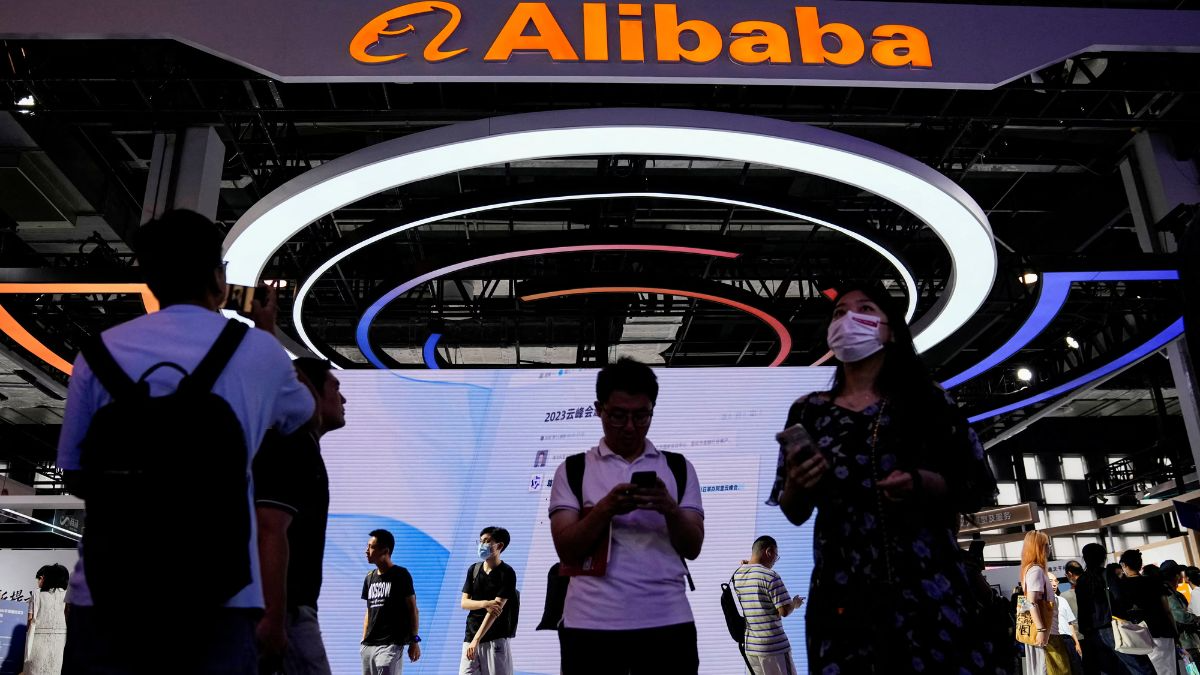
Alibaba’s ambitions to dominate the global AI race have hit an unexpected setback as its flagship AI champion stumbles in the stock market. Investors who once anticipated a strong performance from Alibaba’s advanced AI initiatives are now shifting their focus toward an emerging “mystery model” that has quickly captured industry attention. This surprising shift has led to increased market volatility, raising questions about Alibaba’s position in the rapidly evolving AI landscape.
According to industry analysts, Alibaba’s AI-driven ventures—previously seen as major catalysts for its long-term growth—have not delivered the anticipated financial momentum. The company’s AI champion underperformed expected benchmarks, causing investor confidence to weaken. Meanwhile, an unannounced and unidentified AI system, dubbed by analysts as the “mystery model,” has outperformed major competitors in both capability tests and early adoption metrics. This unusual development is reshaping expectations around the future of generative AI, cloud services, and enterprise automation.
Market observers note that Alibaba’s struggles come at a time when global AI demand is skyrocketing. Competitors in the U.S., Europe, and Asia are rapidly advancing with next-generation models, intensifying the pressure on Chinese tech giants to innovate. The ascendance of the mystery model only adds to the competitive pressure, as investors seek to identify the technology’s origins, backers, and potential market impact. Some speculate that the model may come from a rising Chinese startup, while others believe it could be backed by an international tech consortium entering the Asian market.
Despite the stock slump, Alibaba continues to invest heavily in AI infrastructure, cloud optimization, and foundational models. The company’s long-term strategy includes leveraging AI to drive e-commerce efficiency, logistics, and digital services. However, the current market mood suggests that investors are prioritizing immediate performance over long-term promises, especially as new AI competitors emerge with impressive real-world results.
The unexpected success of the mystery model highlights a shifting dynamic in the AI sector—one where established giants no longer hold guaranteed dominance. Instead, innovation speed, model performance, and deployment capability are becoming the new deciding factors for market leadership. As investors await more clarity on the mystery model’s origins and future roadmap, Alibaba faces increasing pressure to regain momentum and reassure its stakeholders.
In a rapidly evolving AI race, the market has made one thing clear: dominance is no longer guaranteed, and breakthroughs can come from unexpected players. Alibaba’s journey forward will depend on how quickly it adapts, innovates, and responds to this new competitive landscape.