The commission, first created in April but largely paralyzed by bureaucratic and congressional hurdles, was reactivated on Aug. 28 after leaked recordings implicated Milei and his sister Karina in a separate bribery scheme.
The tapes, belonging to former presidential attorney and government official Diego Spagnuolo, contained claims of cash-for-favors dealings. Spagnuolo later admitted the recordings were authentic.
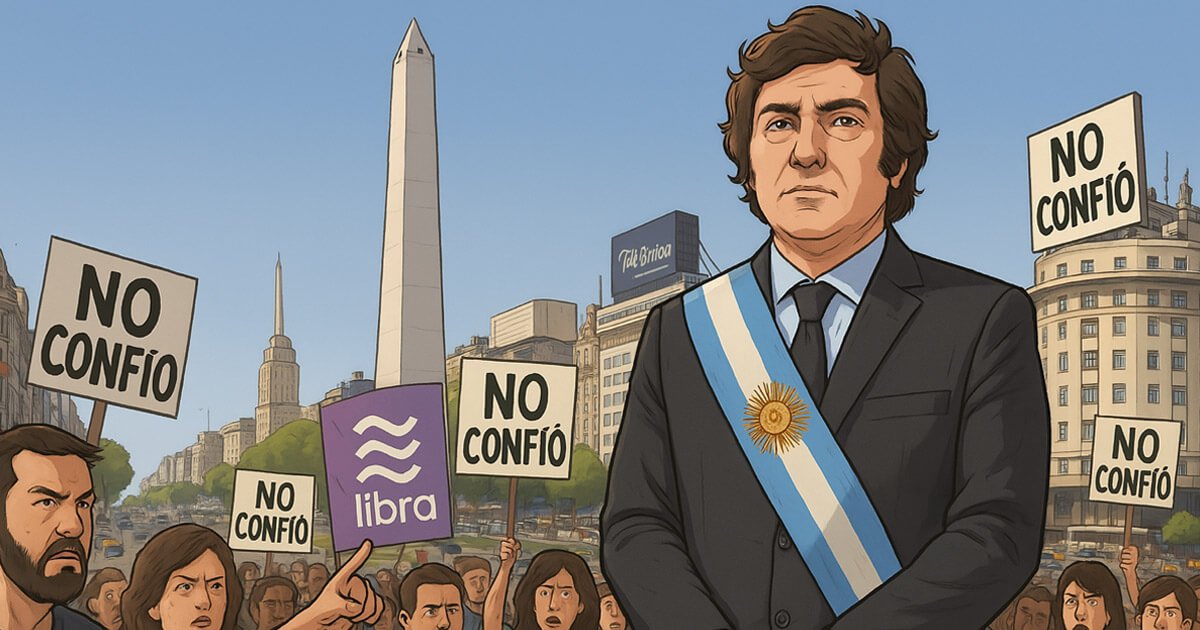
The scandal has triggered a wave of public anger. On Wednesday, protesters hurled lettuce and rubbish at Milei during a public appearance, an act that drew headlines across the country.
Maximiliano Ferraro, a legislator from the Civic Coalition ARI and head of the new investigative body, said the commission intends to establish whether misconduct occurred. Ferraro said the investigation was reignited because questions remain over whether insider trading took place.
Five opposition parties, representing 136 of the Chamber of Deputies’ 257 lawmakers, voted to reopen the case despite pushback from Milei’s allies.
The commission set a reporting deadline of Nov. 10, weeks after Argentines head to the polls.
The inquiry adds to the mounting challenges facing Milei as he navigates a presidency already strained by economic turmoil and growing discontent. The combination of corruption scandals and revived investigations could weigh heavily on his political future.
While the LIBRA scandal has shaken Argentina’s crypto community, the broader allegations of bribery and abuse of power have struck a deeper chord with the public. With elections looming, the outcome of the investigation, and its political fallout, remains uncertain.