


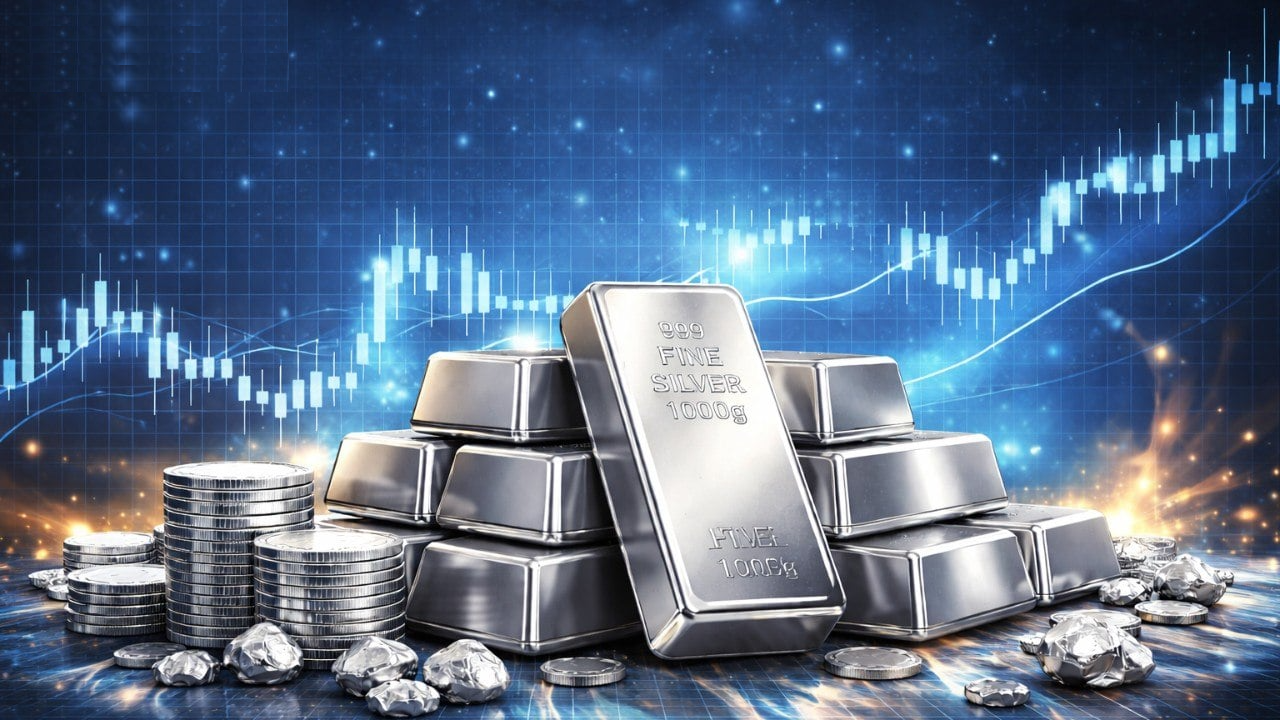
In a striking new analysis, the CEO of Binance highlights a shifting narrative in global markets where silver is emerging as a short-term outperformer, even as Bitcoin is being positioned to redefine the future of money. With renewed macroeconomic uncertainties, rising inflationary concerns, and changing investor sentiment, precious metals like silver are attracting significant attention — but the long-term monetary revolution may lie with digital assets such as Bitcoin.
According to the Binance CEO’s perspective, silver’s near-term price potential stems from its dual role as both an industrial metal and a store of value. Unlike gold, whose price movements are largely tied to safe-haven demand, silver’s performance reflects the health of global industrial activity. With global manufacturing showing tentative resilience and industries such as renewable energy, electric vehicles, and electronics driving demand, silver is uniquely poised to benefit from both economic growth and monetary uncertainty. This has sparked fresh interest among investors looking for assets that can potentially deliver returns while also hedging against market volatility.
At the same time, the world’s largest cryptocurrency, Bitcoin, remains at the center of debates around the future of money. Binance’s CEO asserts that Bitcoin is not just a speculative asset but may be “rewriting the monetary endgame” — a reference to Bitcoin’s growing institutional adoption, limited supply, and increasing integration into financial systems. With central banks across the globe experimenting with digital currencies and inflation-pressured economies reevaluating traditional monetary tools, Bitcoin’s decentralized and deflationary nature distinguishes it from fiat currencies. This perspective is gaining traction among investors who view Bitcoin as a long-term hedge against currency debasement and as a strategic store of value.
However, the narrative isn’t purely bullish. Critics argue that Bitcoin’s price volatility and regulatory uncertainty continue to challenge its path toward becoming a universally accepted monetary standard. While institutional interest has grown — from corporate treasuries adding Bitcoin to sovereign wealth funds exploring crypto exposure — skeptics point out that mainstream financial infrastructure and regulatory clarity are still evolving. These tensions frame the ongoing debate between traditional assets and digitally native value stores.
In this backdrop, silver emerges as a compelling short-term play. Its relatively lower price point compared to gold makes it more accessible to retail investors looking to diversify portfolios. Moreover, silver’s historical performance during inflationary cycles — where it has often outpaced gold — is fueling speculative interest. Traders and hedgers alike are watching closely as global fiscal and monetary policies adapt to changing economic conditions.
As the cryptocurrency vs. precious metals discussion deepens, investors are asking key questions: Will silver continue to outperform in the near term as industrial demand grows? Can Bitcoin’s digital scarcity and network effects give it the edge in a future monetary framework? And how should diversified investors balance exposure across traditional safe havens and emerging digital assets?
This evolving landscape — where precious metals and digital currencies intersect — reflects broader shifts in investor strategy and global economic dynamics. With Binance’s CEO spotlighting silver’s potential while championing Bitcoin’s transformational role, the markets are watching closely for signals that might influence portfolio decisions across retail, institutional, and sovereign types of investors.
In a world grappling with economic uncertainty and technological disruption, the interplay between silver’s short-term shine and Bitcoin’s long-term narrative captures the essence of modern investing — a fusion of tradition and innovation poised to shape the next era of financial markets.






