


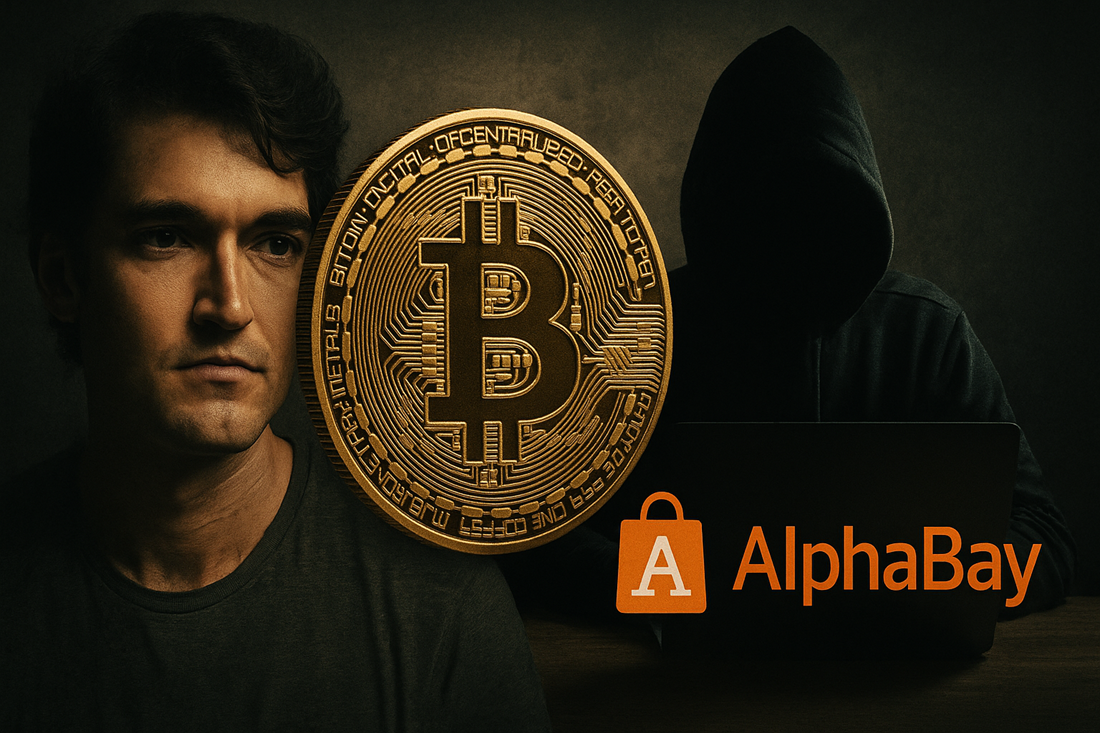
The apparent AlphaBay provenance deepens the intrigue swirling around Ulbricht, who walked free in January after former US president Donald Trump granted him a full and unconditional pardon following nearly eleven years behind bars. The clemency order has made Ulbricht a fixture on the pro-crypto speaking circuit, culminating in last week’s keynote at Bitcoin 2025 in Las Vegas, where he called for “a culture of radical self-sovereignty.”
Why gift tens of millions to a man who, in the popular imagination, authored the playbook for their own success? Blockchain-security researcher Taylor Monahan offers a psychological reading: “People donate when they’re deeply inspired by someone and/or grateful and/or have some sort of remorse for the situation. Survivor’s guilt is wild.”
Chainalysis declined to describe the heuristics or proprietary clustering techniques that linked the donor wallet to AlphaBay, citing ongoing investigative sensitivities. Yet the company confirmed it is sharing its findings with US and European law-enforcement partners. Whether those agencies will be able to pierce the mixer fog and attach a legal identity to the pseudonymous benefactor remains uncertain; any suspect would have had nearly eight years to perfect operational security and distance themselves from now-tainted coins.
For Ulbricht, the windfall comes with its own complications. Under the terms of his pardon, he is no longer subject to restitution or forfeiture orders, but an inflow demonstrably tied to narcotics trafficking could invite renewed scrutiny from financial-crime regulators. Ulbricht has not commented publicly on the provenance of the donation, and representatives of the Free Ross campaign did not respond to multiple requests for clarification.
At press time, Bitcoin traded at $102,814.






