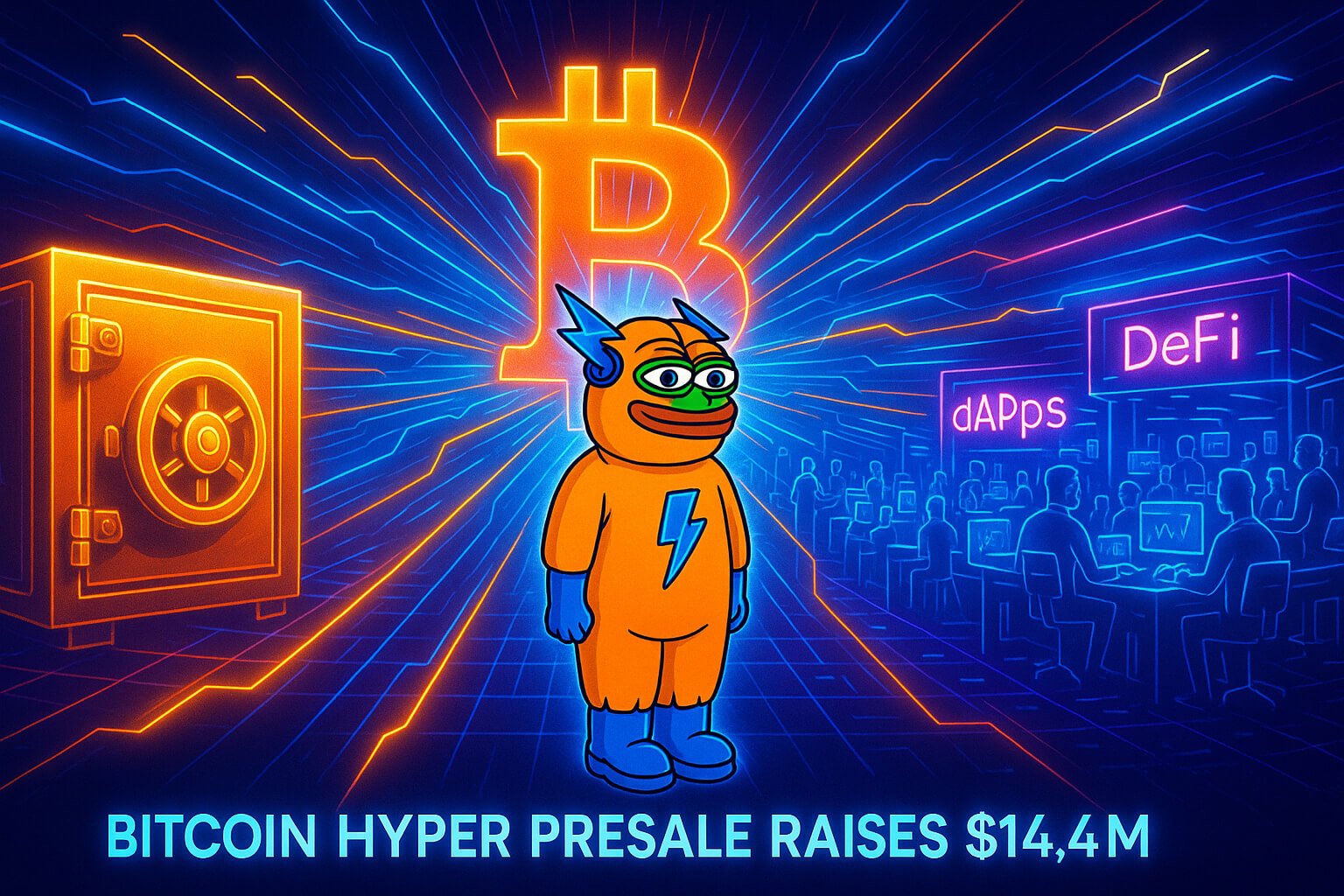
Bitcoin ($BTC) still sits at the top of the crypto food chain with a market cap of over $2.2T, but its dominance comes with a catch. The network is slow, expensive, and limited in what it can actually do.
Ten-minute block times and gas fees that can spike to $100+ mean it’s great as ‘digital gold,’ but useless for the fast-paced world of DeFi, NFTs, and meme coin trading.
Bitcoin is unmatched as a store of value, but that’s both its strength and its limitation.
And because Bitcoin isn’t programmable like $ETH or $SOL, it can’t host dApps, DeFi protocols, or meme ecosystems that fuel most of today’s crypto activity.
That’s why Bitcoin sits in a strange position. Institutions love it for balance sheets and ETFs, but for everyday retail use, it’s practically inert.
In practice, this means you can bridge $BTC into Hyper, where it’s minted one-to-one on the Layer 2. From there, transactions settle in sub-seconds with almost no fees.
Builders also get a familiar toolkit: SVM compatibility means they can tap into Solana’s developer stack, but with Bitcoin’s liquidity behind it. If Bitcoin is the vault, $HYPER is the trading floor. It’s where the culture, the speculation, and the real usage can finally happen.
Want to dig deeper?
And culturally, the timing is perfect: meme coin mania and yield-hungry DeFi degens thrive on low fees and speed. If Bitcoin can deliver both, it starts pulling attention and liquidity back from rival chains. That shifts $BTC from being a passive asset into an active, usable layer of global finance.
But as always, presales and crypto carry risks. Please do your own research (DYOR) before committing capital. Only invest what you’re comfortable losing.