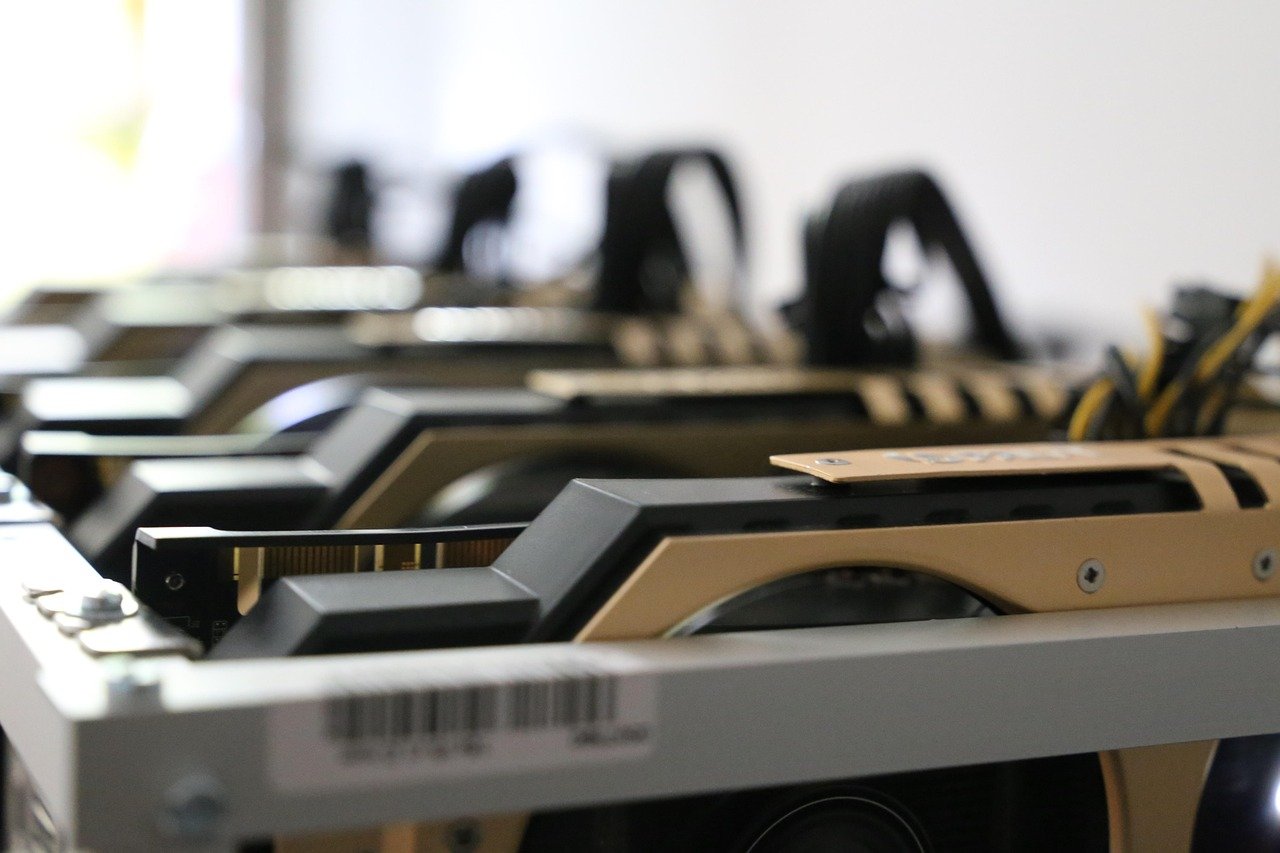
These numbers, the officials said, have forced energy firms to step up enforcement and carry out raids in several provinces.
In Tehran Province alone, law enforcement shut down 104 illegal Bitcoin farms in a recent operation and seized between 1,400 and 1,465 machines.
Other statements from utility executives suggest that when cumulative seizures over multiple years are counted, the total may reach into the hundreds of thousands of machines.
Reports have also said that some operations are well hidden, tucked inside factories or connected through forged industrial meters.
Cheap electricity is the main draw. Prices set well below market levels make mining more profitable, even when devices run non-stop. Sanctions and trade limits have also pushed some operators to treat crypto as a way to move value beyond standard banking channels.
Officials have described a mixed picture when it comes to enforcement: many illegal farms are being tracked down and dismantled, while other operations may enjoy protection or special access.
Analysts and local sources point to a few entities with ties to state-linked groups that appear to operate at a different scale, complicating uniform enforcement.
Still, the problem is large, and action has often followed spikes in blackouts or pressure on the grid rather than a steady, pre-planned effort.
Some experts warn that unless pricing and enforcement are adjusted, miners will keep trying to find workarounds. Devices can be moved quickly. They can be hidden in warehouses or hooked to meters that are not regularly checked. That mobility makes the job of regulators much harder.
Featured image from Pixabay, chart from TradingView