


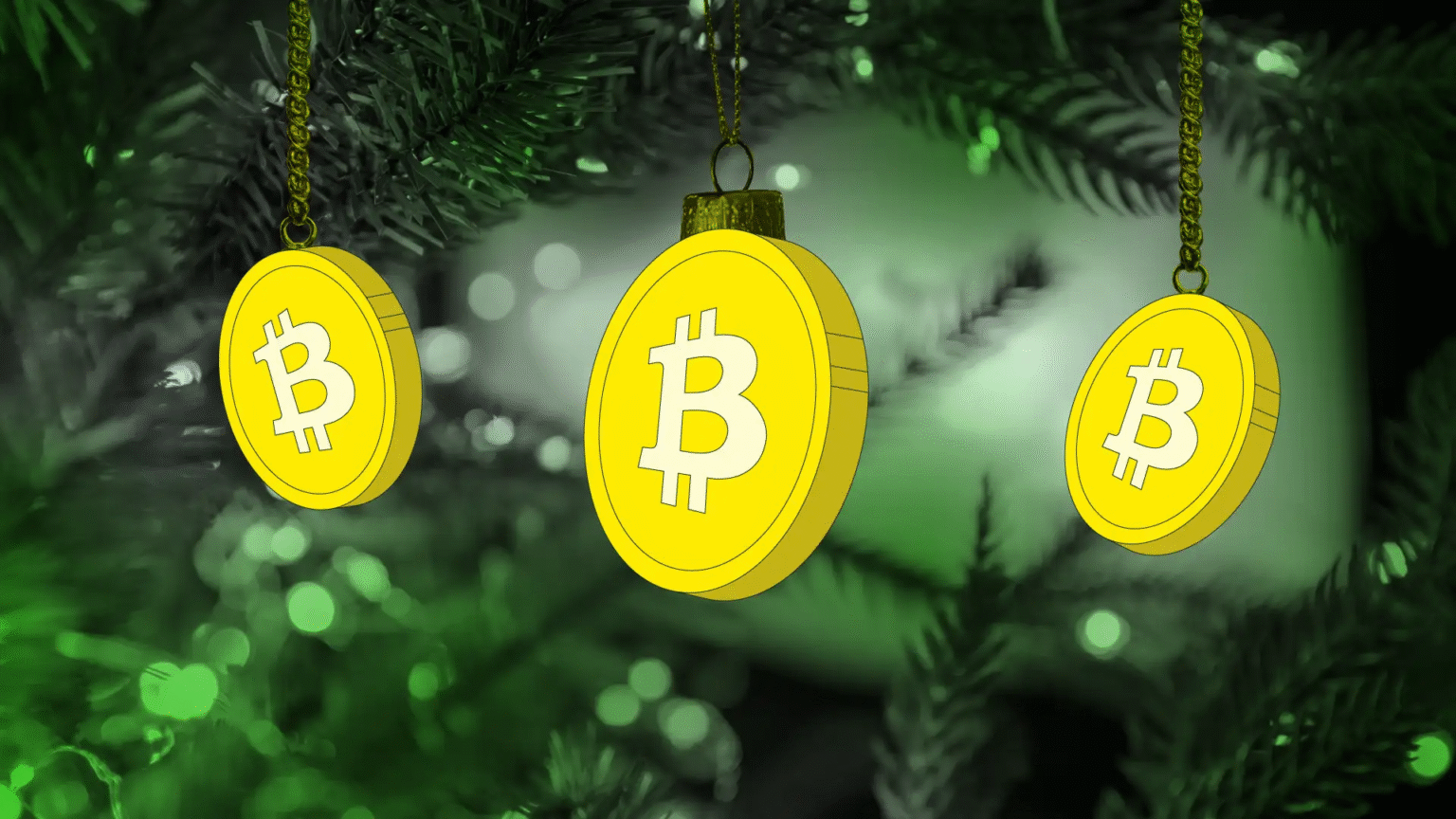
Every year, as markets slow down for the holidays, Bitcoin (BTC) price action during Christmas captures the attention of traders, investors, and crypto enthusiasts around the globe. Unlike traditional financial markets, cryptocurrency trading never sleeps — and Bitcoin’s price movements on December 25 have often shown surprising patterns, volatility, and seasonal behavior that offer unique insights into market sentiment and investor psychology. In this comprehensive review of Bitcoin’s Christmas price fluctuations over the years, we explore how BTC has performed on Christmas Day historically, what factors have shaped each year’s movement, and whether any recurring trends can be observed.
From the early days of Bitcoin when prices were in the single digits, to the explosive bull runs of 2017 and 2020, and the corrections of subsequent years, each Christmas tells a different story. In the nascent phases of the crypto market, low liquidity and trading interest meant that Bitcoin’s Christmas prices were often stable but subdued. As Bitcoin gained mainstream recognition and retail adoption surged, holiday trading has increasingly reflected broader market cycles — turning Christmas into an informal milestone for Bitcoin’s annual performance.
Cryptocurrency traders often watch year-end price action as they plan tax strategies, rebalance portfolios, or set positions for the new year. During several past holiday seasons, Bitcoin has experienced notable spikes or dips — often driven by macroeconomic factors, regulatory news, whale activity, or broader risk appetite in financial markets. For example, during crypto’s parabolic rise in late 2017, Bitcoin’s price on Christmas Day saw strong gains compared to early December, contributing to the relentless momentum that carried it toward all-time highs. In contrast, other years’ Christmas prices were marked by correction phases after peak valuations, revealing the cyclical nature of the digital asset class.
Understanding Bitcoin’s Christmas price behavior also means recognizing the influence of global markets. Holiday trading sessions tend to have thinner order books, which can amplify price swings from smaller trades. Additionally, seasonal investor behavior — such as reduced participation from institutional players and end-of-year allocators — can impact liquidity levels in ways that are unique to the crypto ecosystem. Moreover, technology-driven trading strategies and algorithmic patterns may show recurring responses during the year-end days, including December 25.
In this detailed analysis, we examine yearly Christmas Day closing prices, notable events that affected price action, and how Bitcoin’s holiday performance aligned with broader market narratives like halving cycles, global economic uncertainties, monetary policy decisions, and shifts in investor risk tolerance. We also explore whether there’s any credibility to the idea of a “Christmas rally” or “year-end price surge” in Bitcoin, comparing historical data with trader behavior and seasonality trends.
Investors looking to understand Bitcoin’s long-term valuation dynamics will find this review useful for contextualizing how BTC has responded to various market phases during one of the most emotionally charged and globally observed holidays. Whether you’re planning a long-term HODL strategy or simply curious about how Bitcoin has behaved on Christmas over time, this blog provides a complete breakdown of price history, standout patterns, and what to watch for in upcoming holiday seasons.
Join us as we unwrap the story of Bitcoin’s Christmas price fluctuations — past, present, and future — and uncover insights that may influence your investment outlook on BTC every December 25.






