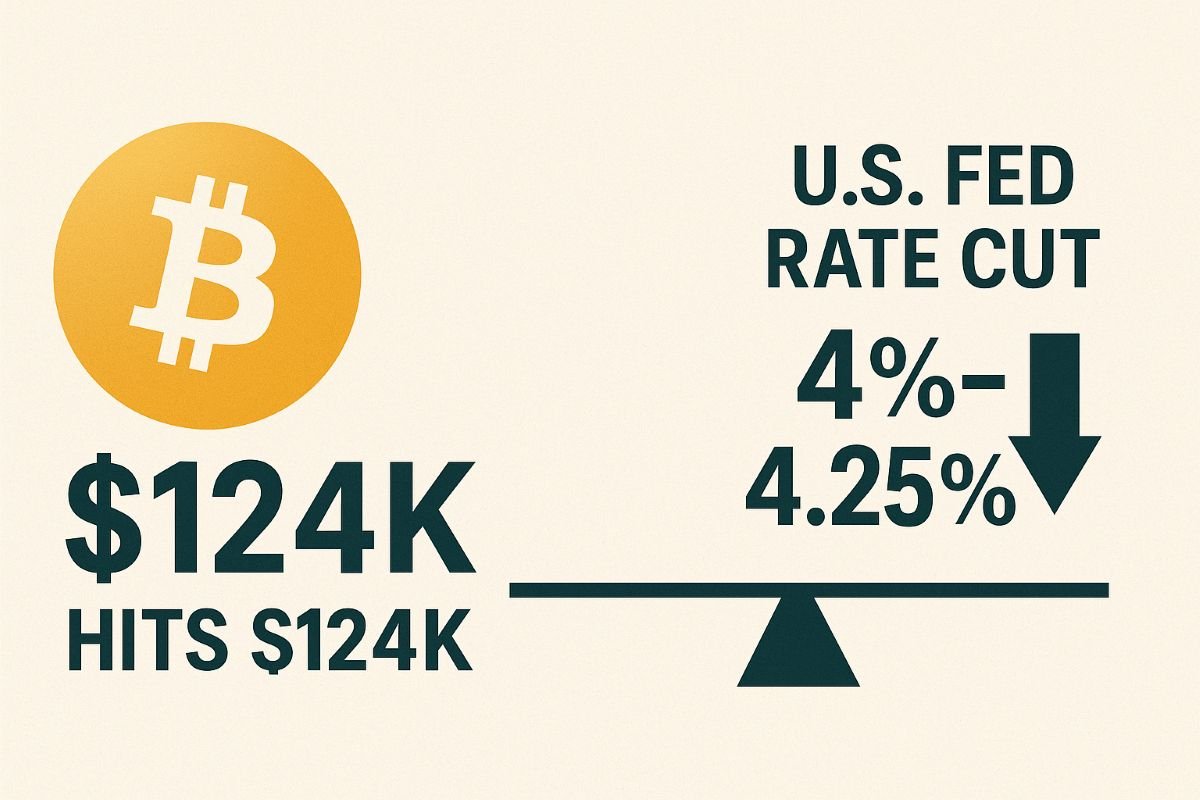
$BTC is the world’s largest crypto, commanding an eye-boggling 58.6% of the entire market.
But as $BTC continues to attract attention, can the Bitcoin network handle the workload? A glimpse at its track record suggests no.
Such a surge in institutional investment reduces the amount of $BTC readily available and attracts HODLers – both of which underpin the likelihood of $BTC rising to even greater heights.
Such developments strengthen $BTC’s outlook; they encourage institutional adoption and provide a strong anchor of market confidence, even during periods of volatility.
What remains to be seen, however, is whether the Bitcoin network can scale to meet the highly anticipated surge in activity ahead.
This adaptability allows Ethereum to maintain higher throughput, better handle network demand, and support a diverse ecosystem full of DeFi protocols, dApps, and NFTs.
Bitcoin, however, was designed with only security in mind. Hence, it cannot natively support complex smart contracts or host large-scale DeFi and NFT ecosystems, like Ethereum.
Its approach is simple yet powerful: batch transactions off-chain and settle them on Bitcoin’s base layer. Doing so would reduce competition for block space, slash fees, and deliver near-instant confirmations.
With macro tailwinds, institutional demand, and pro-crypto policy already driving $BTC to rosier pursuits, the need for a network upgrade has never been more necessary.
This isn’t investment advice. DYOR and never invest more than you’d be sad to lose.