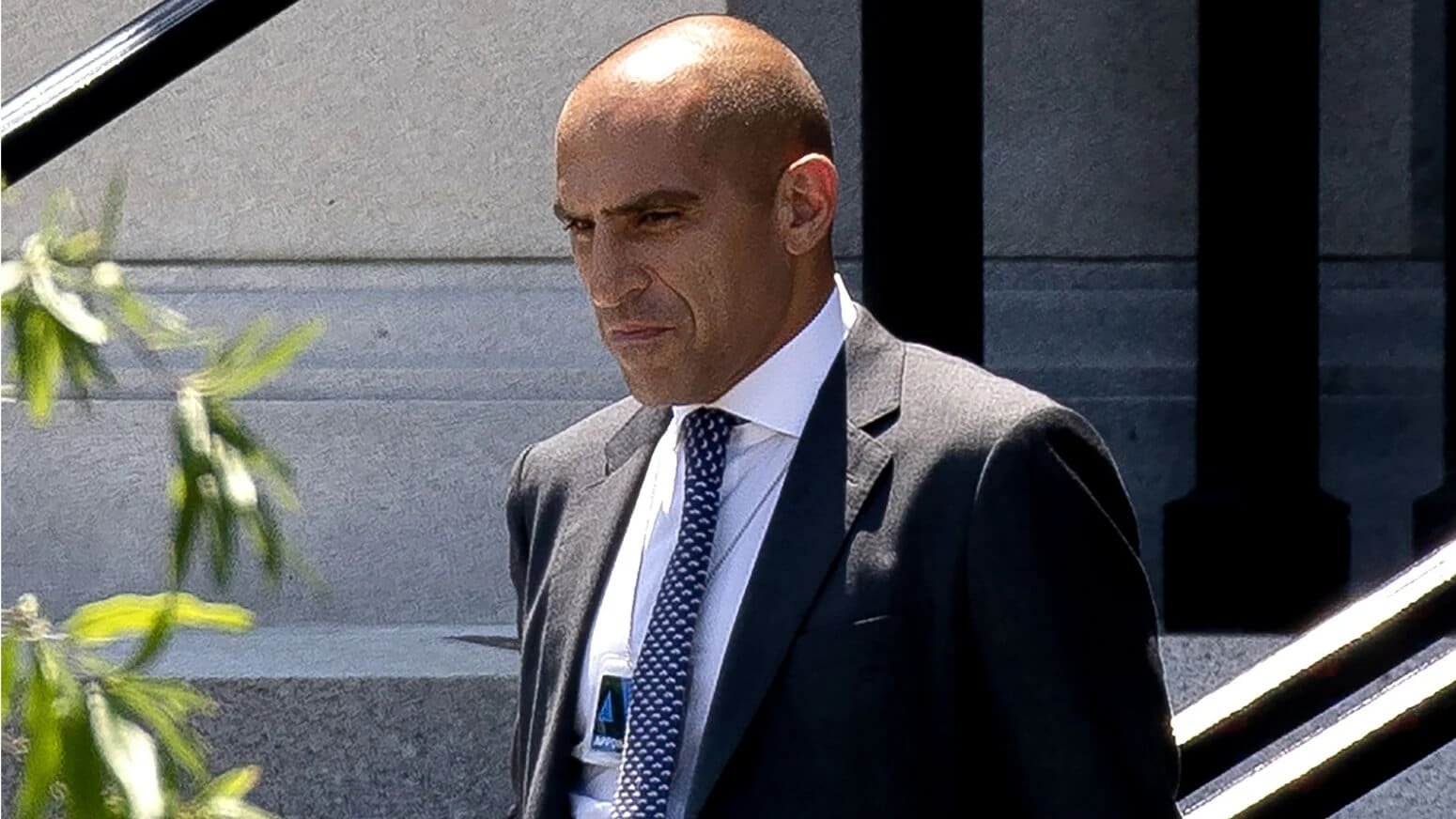
In a significant development for the cryptocurrency landscape, CFTC Chairman Rostin Behnam has announced his resignation, effective January 20, 2025. Behnam has been a vocal advocate for CFTC Bitcoin regulation, pushing for the agency to take a leading role in overseeing digital assets. His departure raises critical questions about the future of regulatory efforts in the rapidly evolving crypto market.
During his tenure, Behnam championed initiatives to establish the CFTC as the primary regulator for Bitcoin and other cryptocurrencies. He recognized early on that as digital currencies gained popularity, there was an urgent need for comprehensive regulatory frameworks to protect investors and ensure market integrity. His commitment to CFTC Bitcoin regulation was evident in his efforts to classify cryptocurrencies like Bitcoin and Ethereum as commodities, a move that positioned the CFTC at the forefront of crypto oversight.
Behnam’s leadership was marked by a proactive approach to addressing regulatory gaps that have long plagued the cryptocurrency market. He frequently warned that without clear regulations, investors would remain vulnerable to fraud and market manipulation. His calls for stronger oversight were particularly focused on political betting contracts and platforms, which have gained traction in recent years but lack a well-defined regulatory framework.
As Behnam prepares to step down, he leaves behind a mixed legacy. On one hand, he has been praised by many in the cryptocurrency community for his openness to innovation and his willingness to engage with industry stakeholders. On the other hand, some critics argue that his tenure did not go far enough in implementing robust regulations needed to safeguard investors.
The timing of Behnam’s resignation coincides with a pivotal moment in U.S. politics, as it occurs on the same day Donald Trump is set to be inaugurated as President. This transition could signal shifts in regulatory priorities under new leadership, potentially impacting ongoing discussions around CFTC Bitcoin regulation.
Looking ahead, the incoming chairman will face significant challenges in continuing Behnam’s work. The regulatory landscape for cryptocurrencies is complex and fraught with uncertainty. As institutional interest in digital assets grows, so does the need for clear guidelines that can foster innovation while protecting consumers.
One of the key issues that will need to be addressed is the division of regulatory responsibilities between the CFTC and other agencies like the SEC. A bipartisan bill known as FIT21 has proposed sharing oversight duties, with the CFTC designated as the primary regulator for crypto exchanges and brokers. This framework aims to create a more cohesive approach to regulating digital assets, but its future remains uncertain amidst changing political dynamics.
Investors and industry participants will be closely monitoring how these developments unfold in light of Behnam’s resignation. The call for clearer regulations has never been more urgent, as recent market fluctuations and high-profile scandals have highlighted vulnerabilities within the crypto ecosystem.
In conclusion, Rostin Behnam’s resignation marks a turning point for CFTC Bitcoin regulation and broader cryptocurrency oversight in the United States. His departure opens up discussions about future leadership and regulatory strategies that will shape the landscape of digital assets moving forward. As stakeholders await new appointments and potential policy shifts, it is clear that effective regulation will be crucial in ensuring a stable and secure environment for cryptocurrency trading.