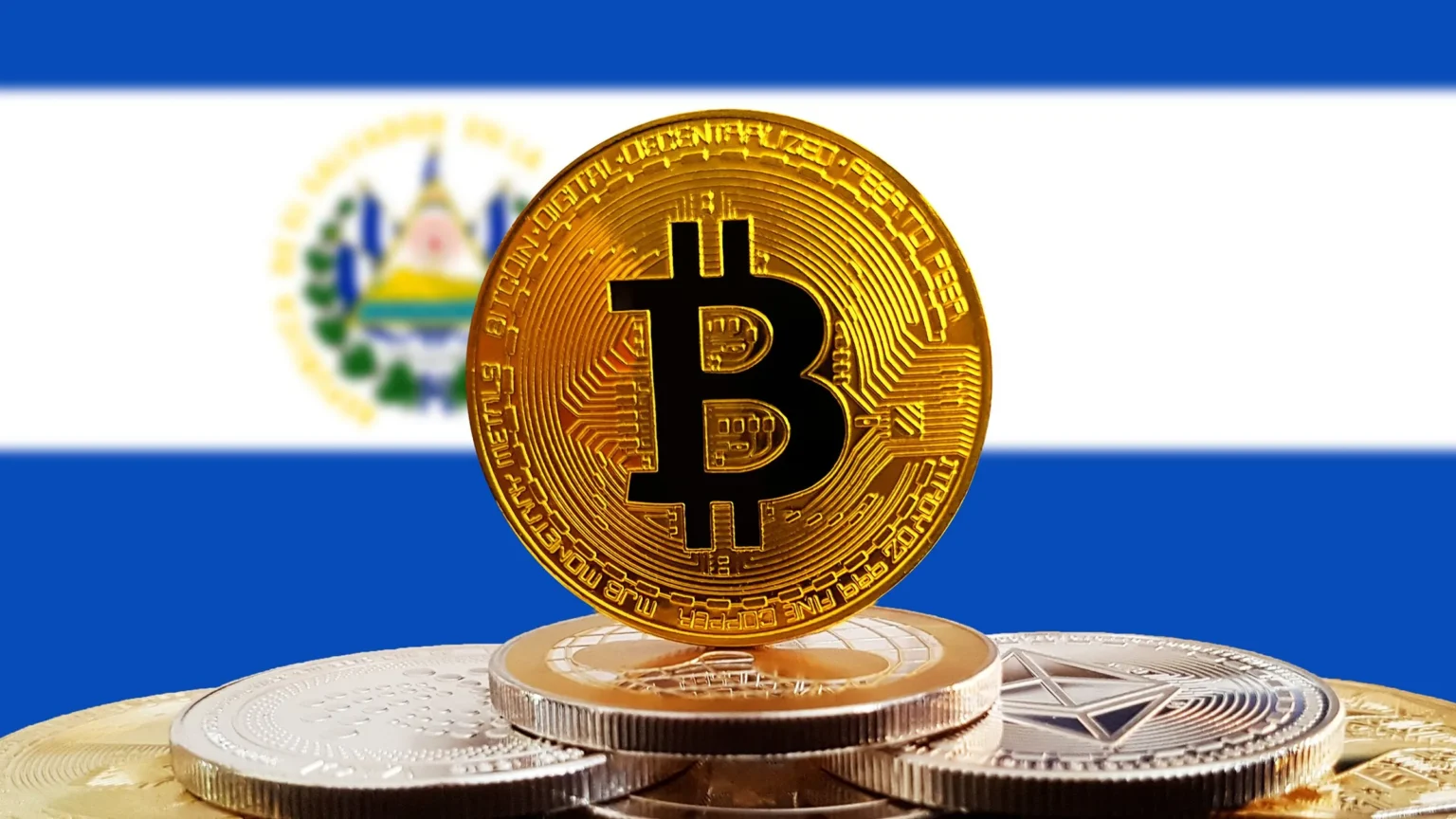
El Salvador Bitcoin Purchase 2025 Pushes Forward as Government Prioritizes Crypto Over IMF Deal Restrictions
The El Salvador Bitcoin Purchase 2025 initiative continues to move forward, as the Central American nation recently acquired 7 Bitcoin worth over $650,000—despite its agreement with the International Monetary Fund (IMF) to reduce crypto exposure. This latest acquisition, confirmed by the country’s Economy Minister Maria Luisa Hayem, underscores the government’s ongoing commitment to Bitcoin as a strategic national asset.
Hayem underlined during the Rio de Janeiro Web Summit that Bitcoin is still a “priority project” for the Salvadoran government. “From the private sector viewpoint, from the government viewpoint, we are seeing asset accumulation,” she said. El Salvador’s more general approach of long-term cryptocurrency accumulation, a policy supported by President Nayib Bukele, is reflected in this remark.
This action follows four years of negotiations and comes months after El Salvador obtained a $1.4 billion IMF loan accord in December. El Salvador’s Bitcoin legality and ongoing sales had been a significant sticking issue in those negotiations. Though the IMF voiced worries about the financial dangers El Salvador’s Bitcoin holdings created, it finally accepted the agreement under the assumption that El Salvador would reduce its Bitcoin holdings.
Notwithstanding that agreement, latest statistics from El Salvador’s Bitcoin Office indicate the nation increased 7 BTC to its holdings in the past seven days ending April 29, 2025. This increases the mounting conflict between official deeds and worldwide obligations. Still, in a press conference, Rodrigo Valdes, director of the IMF Western Hemisphere, said El Salvador “keeps to comply with their commitment of non-accumulation of bitcoin by the overall fiscal sector.”
The statement seems to differentiate between central government Bitcoin purchases and those conducted by organisations such as the Bitcoin Office. Should the Bitcoin Office be operating independently or under different legal standing, it may technically escape violating the IMF conditions—a grey area that could let El Salvador keep accumulating cryptocurrency without infringing its responsibilities.
Minister Hayem underlined this continuous approach, stating, “President Bukele is committed to keep amassing assets.” Her comments imply that the government sees Bitcoin as a fundamental component of the country’s fiscal and economic identity even under outside financial constraints.
El Salvador, on the other hand, is working to educate its young people about Bitcoin. Recently, the Ministry of Education unveiled a financial literacy programme for students that incorporates Bitcoin instruction into its syllabus. Fifty public La Libertad department schools—an region recognised for its early Bitcoin acceptance and home to El Zonte, sometimes nicknamed as “Bitcoin Beach”—are piloting the programme.
The El Salvador Bitcoin Purchase 2025 indicates that the government is not only a long-term HODLer of Bitcoin but also a nation teaching the following generation in digital finance. Though the IMF agreement gives financial governance, structural reform, and openness top priority, Bitcoin is still rather much in the national story.
El Salvador’s tenacity would be beneficial given Bitcoin’s rising price and increasing global use. Still, if the perceived discrepancy persists, it also runs the risk of conflict with world financial institutions. The result of El Salvador Bitcoin Purchase 2025 might influence how other developing countries engage with crypto assets and worldwide lenders while the world watches.