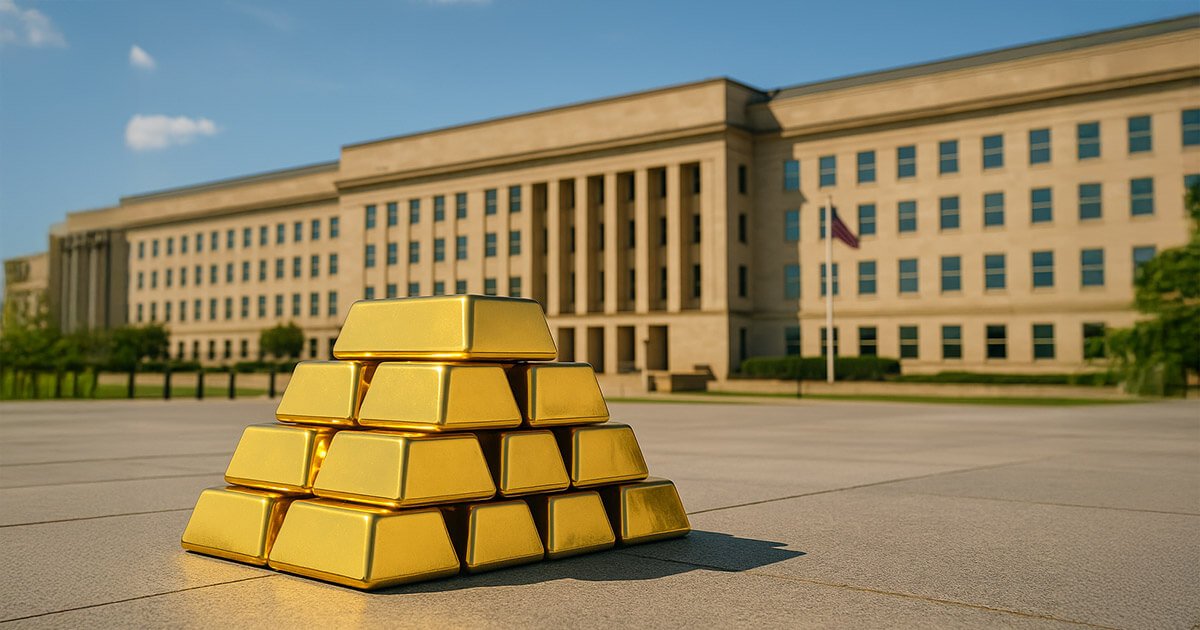
The Pentagon isn’t usually in the business of commodity speculation, but when national security is at stake, expect the old rules to bend. The Financial Times reports that the U.S. Defense Department has kicked off a $1 billion spree to stockpile critical minerals like rare earths.
This includes everything from rare earths to strategic metals needed for electric vehicles, fighter jets, and semiconductors. The goal? Build domestic resilience. Break dependency on a Chinese supply chain that’s proven anything but dependable.
“China is “becoming very hostile, and sending letters to Countries throughout the World, that they want to impose Export Controls on each and every element of production having to do with Rare Earths, and virtually anything else they can think of, even if it’s not manufactured in China.”
The Pentagon’s move isn’t speculative; it’s a defensive posture. This marks one of the largest mineral procurement efforts in decades, and Washington isn’t alone. Brussels and allies across Europe are rushing to catch up, stockpiling for war risk and energy transition alike.
Importantly, China clarified these controls are not absolute bans, adding that export applications meeting criteria will still be approved, and dialogue channels with major trading partners remain open. Chinese officials said the controls do not amount to export bans and that applications that fulfill the criteria will be approved.
This softer rhetoric should start to calm investor nerves. With China signaling room for flexibility and negotiation, analysts are now reconsidering earlier risk scenarios. The possibility of resumed dialogue and a less aggressive stance from Beijing could trigger a relief rally across commodities, gold, and even risk-on assets like Bitcoin if supply chain fears subside and global trade frictions moderate.
Whenever government stockpiles and resource nationalism re-enter the picture, gold’s status as the ultimate safe haven gets reinforced. Yet this time it’s nuanced. The rush for battery metals and rare earths signals that “strategic value” is expanding beyond just gold bars in the basement.
Commodity investors could see a shift in portfolio strategies, with gold retaining its hedger-of-last-resort status but now joined by new “security minerals” as protection against geopolitical shocks.
Should these measures escalate, gold could benefit from renewed safe haven flows, especially if China responds tit-for-tat and financial markets wobble. However, if China’s softening stance leads to constructive talks and stabilization of supply chains, gold’s rally may be tempered by a broader risk-on recovery.
As for Bitcoin, its appeal as “digital gold” has always hinged on scarcity, censorship-resistance, and detachment from the physical world.
But the Pentagon’s mineral hoarding highlights one of Bitcoin’s paradoxes: it’s immune to supply chain disruptions, yet exposed to wider risk-off sentiment. If trade tensions worsen, investors could rotate into USD, gold, and, potentially, Bitcoin, seeking shelter from FX and commodity volatility.
Bitcoin miner stashes historically swell during periods of macro uncertainty, although the asset itself may trade more like risk-on tech in the short run. In the meantime, supply chain disruptions in hardware markets (chips, rigs, semiconductors) could ripple through Bitcoin mining economics but won’t touch the core scarcity narrative.
“If President Trump responds and de-escalates on Sunday, markets are set for a big jump on Monday.”
With the Pentagon and Europe stockpiling minerals, the definition of “store of value” is changing. Gold isn’t getting less relevant; it’s getting competition. Bitcoin’s allure endures, especially for investors weary of government control or physical limitations.
“The race is on”