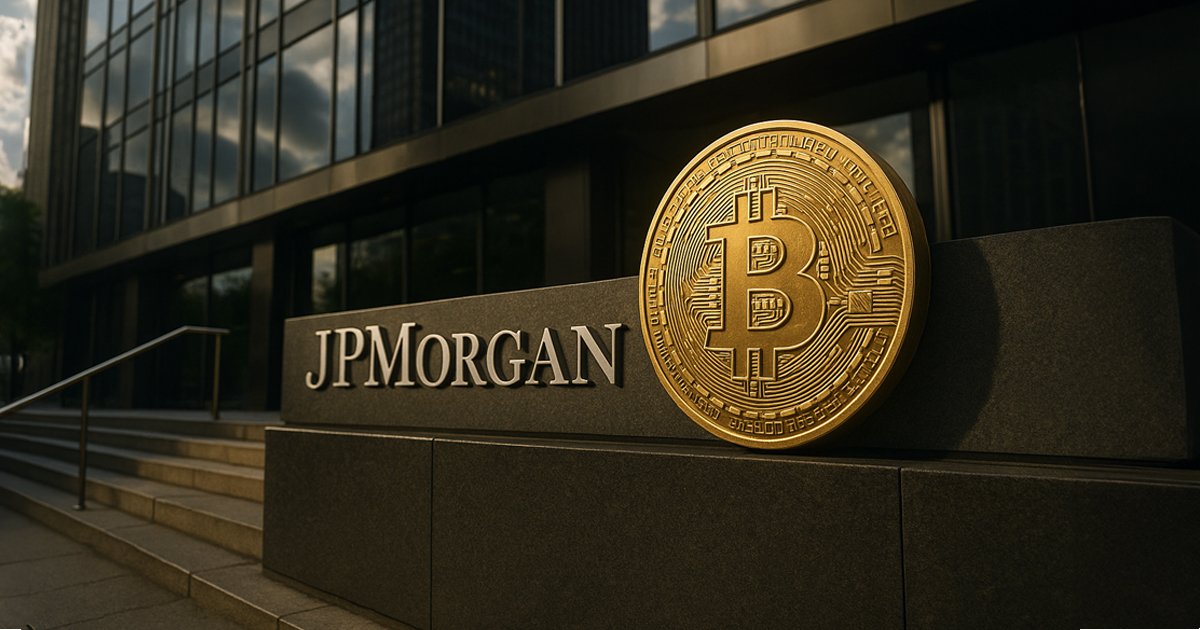
After years of tension between crypto and traditional finance, a symbolic shift is taking shape inside the world’s largest bank.
The initiative is expected to roll out by the end of 2025.
JPMorgan’s move could quietly rewrite the boundaries between digital assets and regulated credit markets.
When decentralized loans are included, total outstanding collateralized crypto credit reached $53.09 billion in Q2 2025. This is the third-highest figure on record.
These numbers point to a structural shift where borrowing activity rises as digital-asset prices increases. This results in improved credit spreads making loans more attractive for traders and treasuries.
Moreover, corporate firms are also tapping crypto-backed lending to fund operations, replacing equity issuance with secured debt against digital assets.
In that context, JPMorgan’s entry looks less like an experiment and more like a decisive institutional catch-up move in the emerging industry.
In practical terms, that means firms can now raise capital against digital assets the same way they would against US Treasuries or blue-chip equities.
While crypto-collateralized lending is familiar inside DeFi protocols and smaller CeFi lenders, JPMorgan’s participation institutionalizes the concept.
The bank’s entry signals that digital assets have matured enough to meet global finance’s compliance, custody, and risk-management standards.
According to him:
“Many traditional financial institutions who rely on trading with banks to date need to choose between holding spot ETH OR other positions. The largest investment bank in the world is here to change that. With the ability to borrow against positions held in third-party custodians, you can build a more productive portfolio, increasing the value of the collateral asset. “
Accepting BTC and ETH as loan collateral completes the loop: issuance, settlement, and credit, all of which touch the blockchain rails.
Considering this, Sheffield predicts the move will trigger a “competitive cascade” among large banks. He noted:
“This starts a wave. Being first is what scares large institutions. The rest will follow with the decision de-risked, because no action would leave them uncompetitive.”
Already, rivals like Citi and Goldman Sachs have expanded digital-asset custody and repo initiatives. BlackRock, meanwhile, has integrated tokenized treasuries (BUIDL) into its fund ecosystem, while Fidelity has doubled its institutional crypto desk headcount this year.
Despite Wall Street’s growing embrace of digital assets, challenges remain.
Banks entering this market must navigate the intrinsic volatility of cryptocurrencies, uncertain regulatory capital treatment, and persistent counterparty risk—all of which constrain how aggressively they can expand crypto-backed lending.
US regulators have yet to issue clear capital-weighting guidelines for digital collateral, leaving institutions to rely on conservative internal models. Even with third-party custodians managing custody risk, supervisory oversight is expected to remain intense.
Still, the trajectory is unmistakable because digital assets are gradually being woven into the fabric of global credit markets.
“The global financial system is slowly recollateralizing itself around the highest quality asset known to man.”