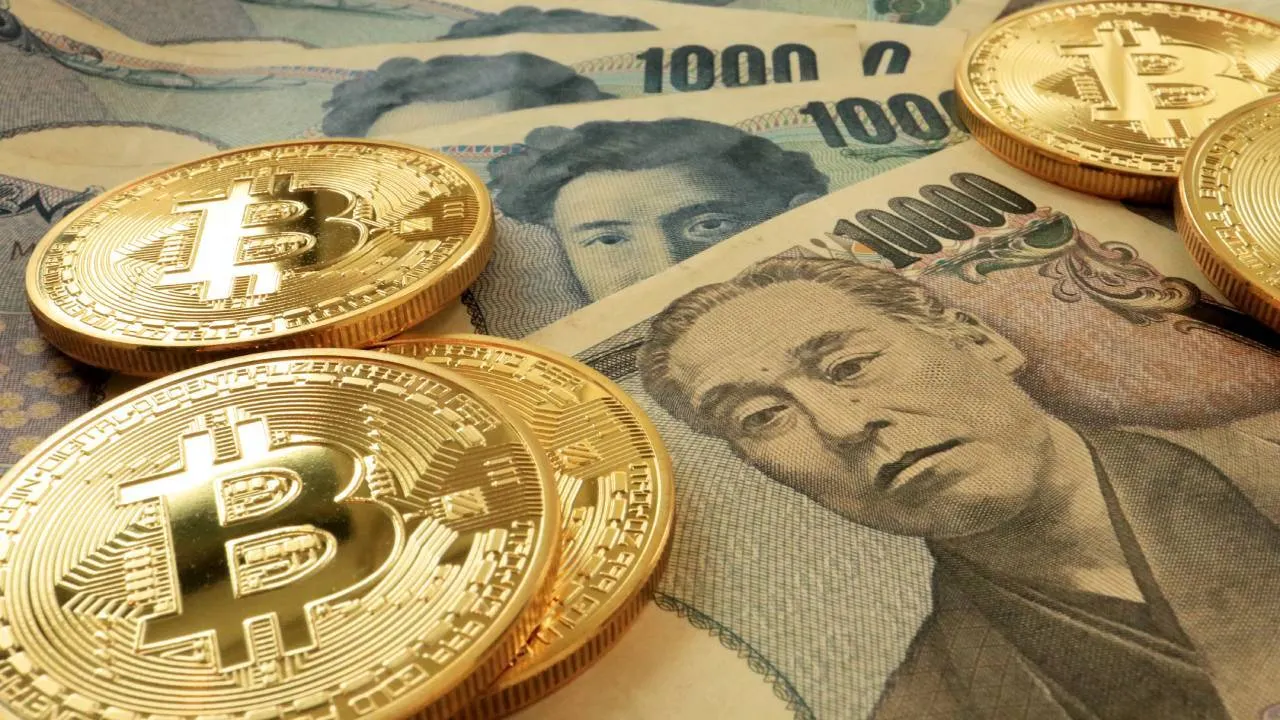
Japan’s falling yen has become one of the most closely watched events in global financial markets. As the currency continues to weaken against the US dollar, investors are increasingly worried about inflation, declining purchasing power, and the broader economic impact on Asia’s largest economies. But amid this volatility, one asset class is quietly gaining renewed attention—Bitcoin. With the yen hitting multi-decade lows and traditional markets reacting nervously, analysts believe the currency crisis may act as a powerful catalyst for a new Bitcoin rally. This raises an important question: Can the yen’s downfall spark a Bitcoin renaissance?
The Japanese yen has long been viewed as a safe-haven currency, but persistent monetary easing, negative interest rates, and limited policy tightening have weakened its global position. As Japanese households and investors search for alternatives to protect their wealth, Bitcoin and other digital assets have emerged as potential havens. Historically, Bitcoin has thrived in environments where fiat currencies weaken or inflationary pressures rise, and the current economic climate in Japan mirrors those conditions perfectly.
A falling yen makes imported goods more expensive, increases domestic inflation, and erodes savings — pushing investors to look for assets that preserve value beyond traditional banking systems. Bitcoin’s decentralized nature, fixed supply of 21 million coins, and global liquidity make it an attractive option for those seeking protection from currency depreciation. Additionally, younger Japanese investors, already familiar with digital payments and crypto trading platforms, may help drive significant adoption during this period.
Institutional demand from Japan may also rise. If the yen continues its downward trajectory, pension funds, corporations, and hedge funds could diversify into Bitcoin as part of a broader risk-management strategy. Moreover, with Japan being one of the earliest adopters of cryptocurrency regulations, the country offers a structured environment for crypto investment — something that could accelerate inflows during turbulent times.
Globally, the yen’s fall also signals uncertainty in the foreign exchange market, leading investors to explore alternatives outside traditional assets like bonds and foreign currencies. With Bitcoin often seen as a hedge against macroeconomic instability, a weak yen could strengthen global demand, not just domestic interest. The correlation between currency weakness and Bitcoin adoption has already been observed in nations like Turkey, Argentina, and Nigeria — Japan could be next on the list.
As the world watches Japan’s monetary policy decisions, Bitcoin enthusiasts are growing optimistic that a major turning point is near. If the yen continues to deteriorate, the shift toward digital assets could accelerate dramatically, potentially fueling a new wave of Bitcoin buying — and possibly setting the stage for the next major bull cycle.
In this evolving financial landscape, the yen’s downfall may not only reshape Japan’s economy but could also become a defining moment for Bitcoin’s global resurgence. Investors now wonder whether the crypto market is preparing for a historic upward shift driven by currency instability, increasing adoption, and renewed confidence in digital assets. The coming months may reveal whether this moment truly marks the beginning of a Bitcoin renaissance.