


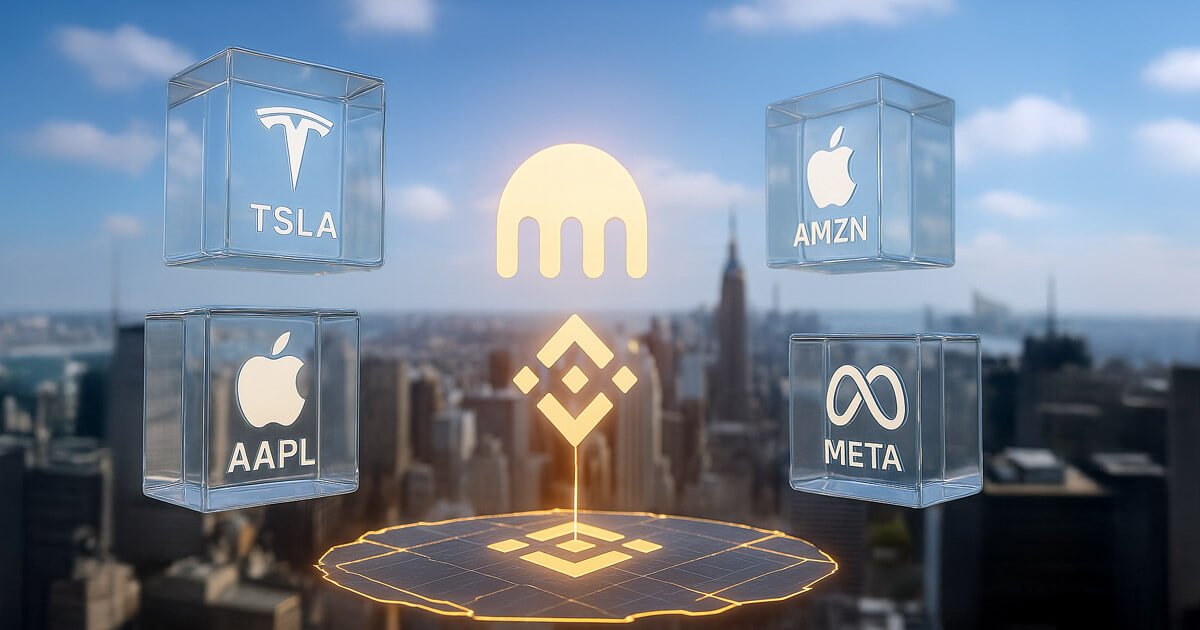
Arjun Sethi, Kraken’s co-CEO, said the expansion is part of the firm’s goal of building a “chain-neutral” and “always-on” capital market.
He described tokenized equities as “programmable settlement primitives” that allow instant global transfers and atomic settlement. They also enable composability with on-chain financial products like derivatives and lending protocols.
According to him:
“In a world that will inevitably be multichain, it is critical that assets like equities can move fluidly across ecosystems, protocols, and liquidity layers without being gated by jurisdiction or legacy custodial rails.”
The firm stated that the round-the-clock trading model gives users constant market access. However, it also exposes them to increased volatility during off-hours. Galaxy Digital warned that this shift could be more disruptive for traditional financial institutions.
Traditional exchanges like the NYSE may face increased pressure as more brokerages move toward blockchain-based settlement and trading. Their dominance, built on centralized liquidity and structured hours, risks being eroded by platforms offering real-time trading and decentralized asset ownership.
As a result, legacy exchanges must adapt or risk losing market activity. They also face the threat of losing core revenue sources, such as trading fees and data sales, to the newly emerging platforms.






