“…generally, it’s good for people to know, I should not be looking to the SEC for protection in this area [memecoin investments].”
“…many of the memecoins that are out there probably do not have a home in the SEC under our current set of regulations.”
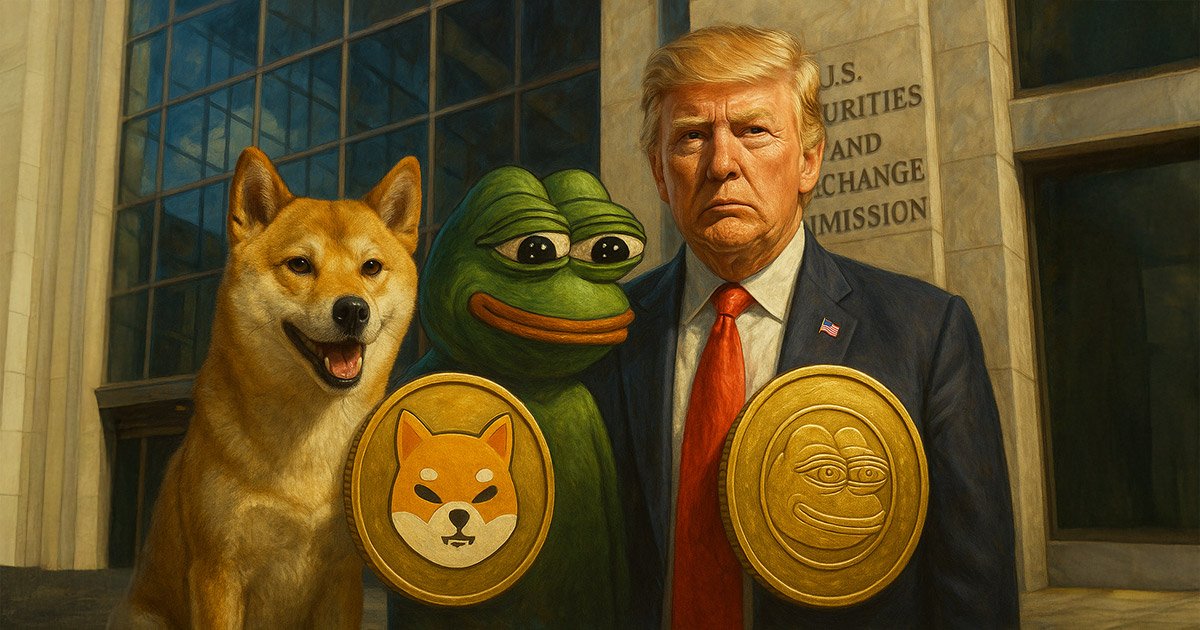
At the time, Peirce noted that the SEC does not consider most memecoins to be securities, highlighting the need for clear legislative guidelines defining the SEC’s regulatory scope. She had also stated that the U.S. Commodity Futures Trading Commission (CFTC) might be better suited to regulate these assets.
In her interview at Bitcoin 2025, Peirce noted that while it is possible to “package almost anything into a securities transaction,” most memecoins do not fall into the category. Therefore, memecoins fall outside the regulatory purview of the SEC. She added:
“Here was something where I saw a lot of interest in this out in the world — in meme coins — and it made sense for us to say, ‘People, if you are expecting that there’s SEC protection around these, you should not expect that.”
Peirce likened the rising interest in memecoins, which have no intrinsic value, to that of non-fungible tokens (NFTs). Like memecoins, most NFTs lost their value significantly after initial interest died down.
However, Trump-linked entities, which control over 80% of the memecoin’s supply, made at least $100 million in trading fees by Jan. 30. Similarly, insiders reportedly earned around $100 million by investing in the memecoin of Melania Trump, the U.S. First Lady, hours before its launch was made public.