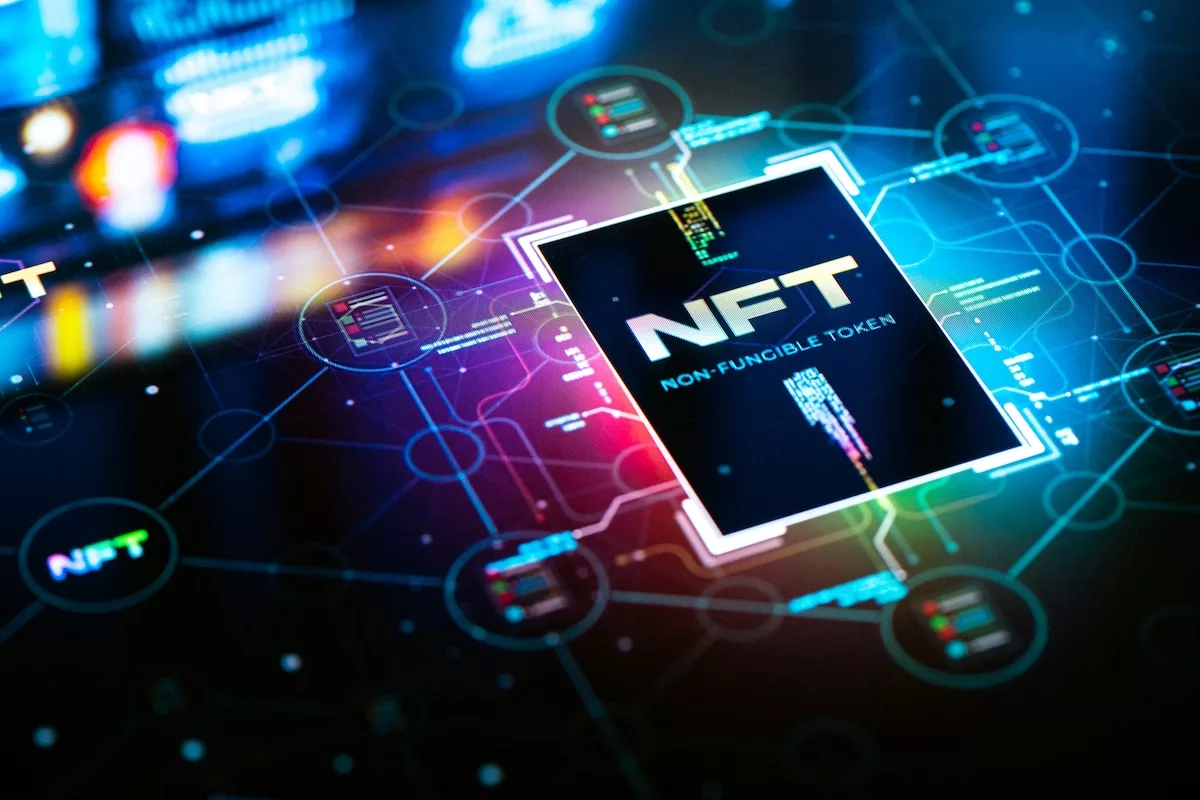
The market for NFTs in the ticketing industry is rapidly evolving as brands, event organizers, and technology providers explore how blockchain-based tickets can transform live experiences. NFTs (Non-Fungible Tokens) are unique, verifiable digital assets that offer advantages over traditional ticketing systems — enhanced security, instant traceability, fraud prevention, and direct ownership for consumers. As the live events sector adapts to digital-first trends, NFTs are emerging as a powerful tool to improve ticket distribution, fan engagement, and secondary market control.
One of the key drivers behind NFT ticketing adoption is the growing demand for fraud-resistant and transparent ticketing solutions. Traditional paper and digital tickets are susceptible to counterfeiting and scalping, often leaving genuine fans priced out of events or dealing with illegitimate tickets. By integrating NFTs on blockchain networks, each ticket becomes tamper-proof and easily verifiable, significantly reducing fraud and boosting trust among buyers and sellers. Event organizers can also encode additional utilities into NFT tickets — such as exclusive access, digital collectibles, membership perks, and future event discounts — creating a new ecosystem of fan loyalty and monetization.
Technology adoption in NFT ticketing has accelerated due to several key innovations. Smart contracts automate the enforcement of ticket terms, resale rules, and royalty payments, enabling creators to earn a percentage of revenue on secondary sales. Interoperability with mobile wallets and ticketing platforms ensures seamless user experiences, while Layer-2 solutions and scalable blockchain networks help lower transaction fees and increase throughput. Leading platforms are experimenting with hybrid models that merge digital tickets with physical experiences, providing enhanced event personalization, real-time updates, and post-event engagement tools.
Furthermore, the rise of Web3 social platforms and metaverse experiences is influencing how NFT ticketing is perceived. Creators are designing virtual events, pre-show activations, and blockchain-based communities that leverage NFT tickets as gateways to broader digital ecosystems. These trends are expanding revenue opportunities beyond traditional ticket sales and into areas such as fan tokens, exclusive content, and decentralized autonomous organization (DAO)-driven event governance.
As adoption grows, regulatory trends are also shaping the future of NFT ticketing. Jurisdictions worldwide are evaluating how existing securities, consumer protection, and digital asset laws apply to NFTs and blockchain-based transactions. Regulators are increasingly focused on transparency, anti-money laundering (AML) compliance, data privacy, and fair trading practices. Ensuring that NFT ticketing platforms adhere to local regulations can enhance consumer confidence, reduce legal risk for organizers, and promote sustainable industry growth. Regulatory clarity — particularly in markets such as the U.S., European Union, and Asia-Pacific — will play a pivotal role in mainstream adoption and institutional investment.
Market research indicates that NFT ticketing is gaining traction across multiple segments including music festivals, sports leagues, theater productions, and corporate events. Early adopters are already reporting benefits such as reduced fraud, increased revenue capture, and a more engaged fan base. As solutions mature, industry analysts project significant expansion in the NFT ticketing market, supported by collaborative efforts between entertainment companies, blockchain developers, and regulatory bodies.
In conclusion, the integration of NFTs into the ticketing market represents a promising shift toward more secure, interactive, and flexible systems. With continual technological innovation and evolving regulatory frameworks, NFT ticketing is poised to redefine how event experiences are created, marketed, and owned. Stakeholders who understand these dynamics will be best positioned to capitalize on this emerging ecosystem and drive meaningful transformation in the live events industry.