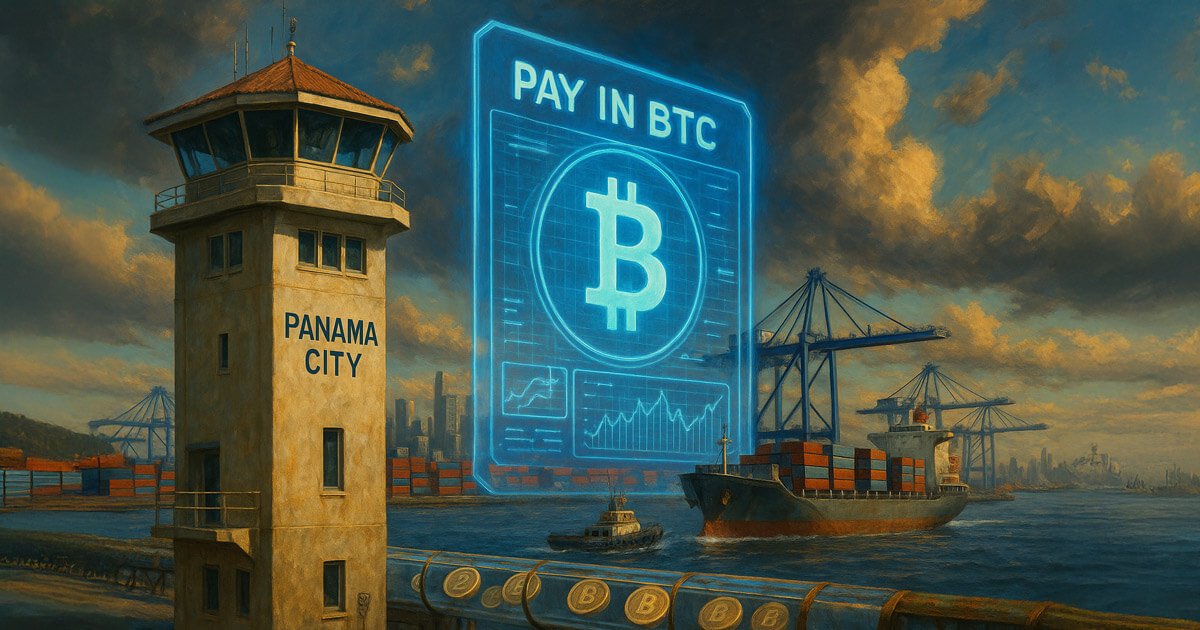
This could create a Strategic Bitcoin Reserve, tapping into a steady influx of BTC from maritime traffic.
The Panama Canal, which connects the Atlantic and Pacific Oceans, has been a vital trade route since its opening in 1914. The link facilitates around 13,000 to 14,000 ship crossings each year and spans 82 kilometers (52 miles).
According to Keiser, the canal generates approximately $5 billion in annual revenue, which is a substantial portion of Panama’s income.
Considering this, he believes that even a partial shift to Bitcoin payments could significantly boost the country’s reserves, making it a more attractive option for international shipping.
Mizrachi’s endorsement aligns with the pro-crypto nature of the Panamanian government.
This includes the creation of licensing requirements for virtual asset service providers (VASPs) and adherence to international financial standards.
So, if Panama moves forward with the proposed discount program, it would mark another step in the country’s efforts to embrace cryptocurrencies and integrate Bitcoin into its economic strategy.