


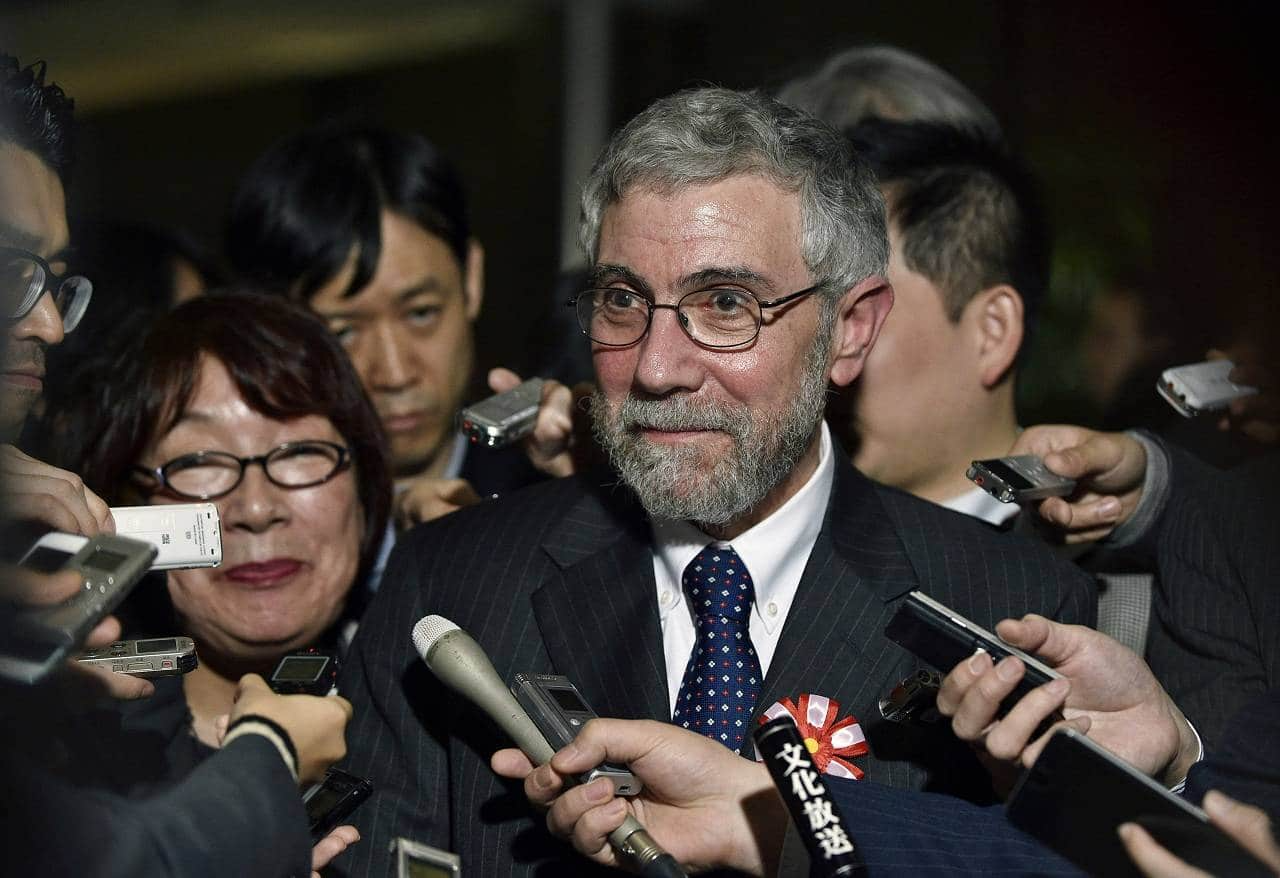
Nobel Prize–winning economist Paul Krugman has analyzed the latest U.S. employment data and suggested that the economy may be entering a pre-recession phase, raising concerns among investors, policymakers, and market participants. While headline job numbers continue to show resilience, Krugman emphasizes that underlying labor market indicators point to a gradual slowdown that could signal broader economic weakness in the months ahead.
According to Krugman, employment growth has begun to decelerate across key sectors, with revisions to previous job reports and declining hiring momentum painting a more cautious picture of the U.S. labor market. He highlights factors such as reduced job openings, slowing wage growth, and increased layoffs in interest-sensitive industries as signs that the economy is losing steam. These trends, while not yet confirming a recession, often appear in the late stages of an economic cycle.
Krugman also notes that restrictive monetary policy continues to weigh on employment conditions. Elevated interest rates, aimed at controlling inflation, have dampened business investment and hiring plans. As borrowing costs remain high, companies are increasingly adopting defensive strategies, including cost-cutting and hiring freezes, which may further weaken labor market strength. This environment, Krugman argues, is consistent with historical patterns observed before past economic downturns.
Despite these warning signs, Krugman cautions against panic, stressing that the U.S. economy still retains several sources of resilience. Consumer spending remains relatively stable, and unemployment levels, while edging higher, are still low by historical standards. However, he urges policymakers to remain vigilant and responsive, particularly if labor market conditions deteriorate more rapidly than expected.
Financial markets are closely watching Krugman’s analysis, as employment data plays a critical role in shaping expectations around future Federal Reserve policy decisions. A clearer slowdown in jobs growth could influence interest rate cuts or shifts in monetary strategy, with significant implications for equities, bonds, and risk assets. Investors are increasingly factoring in the possibility of an economic cooling phase, adjusting portfolios accordingly.
In this article, we break down Paul Krugman’s interpretation of the latest U.S. jobs data, explore the indicators pointing toward a pre-recession environment, and examine what this could mean for the broader economy and financial markets. As uncertainty builds, understanding these early warning signs may help businesses, investors, and policymakers prepare for potential economic challenges ahead.






