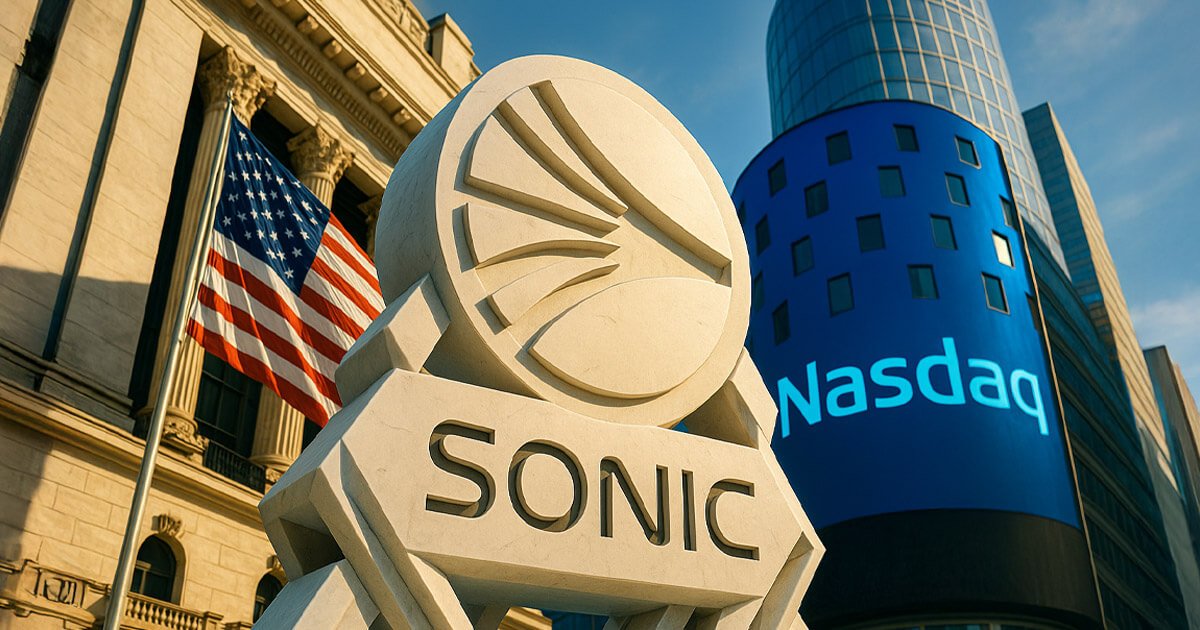
This approval allows Sonic to direct resources toward launching a US subsidiary, creating an exchange-traded product, and strengthening its balance sheet through new financing structures.
The plan establishes Sonic USA LLC, a dedicated entity that will focus on policy, market access, and investor outreach in the US.
The subsidiary has been authorized to issue 150 million tokens and oversee a $100 million private investment in public equity (PIPE) linked to Nasdaq markets.
The proceeds will support balance sheet growth for a listed vehicle and provide liquidity for treasury purchases of S tokens on exchanges and through private deals.
Tokens allocated to these efforts will remain locked for at least three years, a measure designed to align incentives with long-term investors.
Alongside the US expansion, the community endorsed changes to the way fees are distributed on the network.
Under the new framework, 90% of revenue from FeeM transactions will go to builders, 5% to validators, and the remaining 5% will be permanently removed from circulation.
For non-FeeM activity, half will be distributed to validators while the other half will be burned.
By combining revenue redistribution with higher burn rates, Sonic aims to curb inflationary pressure and gradually create a deflationary supply model.
The network supporters argue that the update will reward active participants while preserving long-term value for token holders.
Some also hope these developments will spark an upward swing for the digital asset, which has fallen more than 60% during the past year despite the broader bullish market sentiments.