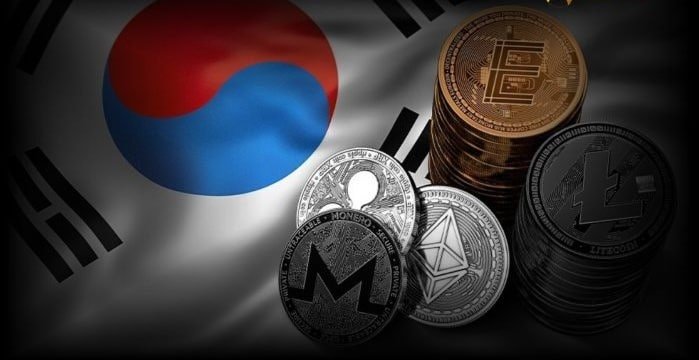
South Korean Regulators Will Review Plan to Let Companies Buy Crypto in 2025
In 2025, South Korean regulators are set to review a new plan that could significantly impact the country’s cryptocurrency market. If approved, companies operating within South Korea will be able to directly purchase cryptocurrency. This potential policy shift marks a pivotal moment for businesses and crypto enthusiasts alike, especially as the country continues to explore blockchain technology.

The government has been closely monitoring the expansion of the cryptocurrency market, and many South Korean enterprises are eager to incorporate digital assets into their operations. The proposed regulatory assessment is an important step towards identifying how businesses might legally operate with cryptocurrencies while not violating existing rules.
Also Read: ripple-president-suggests-xrp-etf-could-follow-bitcoin-and-ether-etfs
The move is part of South Korea’s broader plan to embrace blockchain technology while minimising the risks associated with digital currency. The country’s financial authorities have traditionally maintained a cautious approach towards cryptocurrency. Nonetheless, given the industry’s rapid expansion, there is growing realisation that a balanced regulatory framework is required for innovation to thrive. By permitting businesses to buy cryptocurrency, South Korea might make a significant contribution to the global cryptocurrency ecosystem.
The assessment process, which is projected to last through 2025, will include comprehensive interaction with stakeholders such as financial institutions, cryptocurrency exchanges, and business leaders. The goal is to achieve a balance between encouraging innovation and safeguarding investors from the possible hazards connected with digital currencies.
In recent years, bitcoin popularity has increased both globally and in South Korea. Companies see blockchain and digital currencies as important instruments for streamlining processes, increasing transparency, and expanding into new financial markets. However, without clear legislative standards, many businesses have been cautious to invest in cryptocurrency.
South Korean officials are currently working to build a comprehensive framework that tackles these problems. The plan to allow businesses to buy cryptocurrency will most likely contain procedures for due diligence, anti-money laundering safeguards, and consumer protection. These measures are important to reduce the risk of fraud, tax evasion, and market manipulation.
South Korean officials’ decision to potentially approve corporate cryptocurrency purchases demonstrates the country’s growing interest in the potential of cryptocurrencies as an asset class. South Korean policymakers are becoming more crypto-friendly, recognising the technology’s potential to spur economic growth and technical advancement.
Finally, South Korea’s decision to allow enterprises to buy cryptocurrency may create a precedent for other countries to follow. As the global crypto market matures, regulators must stay up with the technological advancements and economic trends that drive the industry. South Korea’s decision to study and possibly adopt such a scheme will be widely monitored by industry players and financial authorities throughout the world.