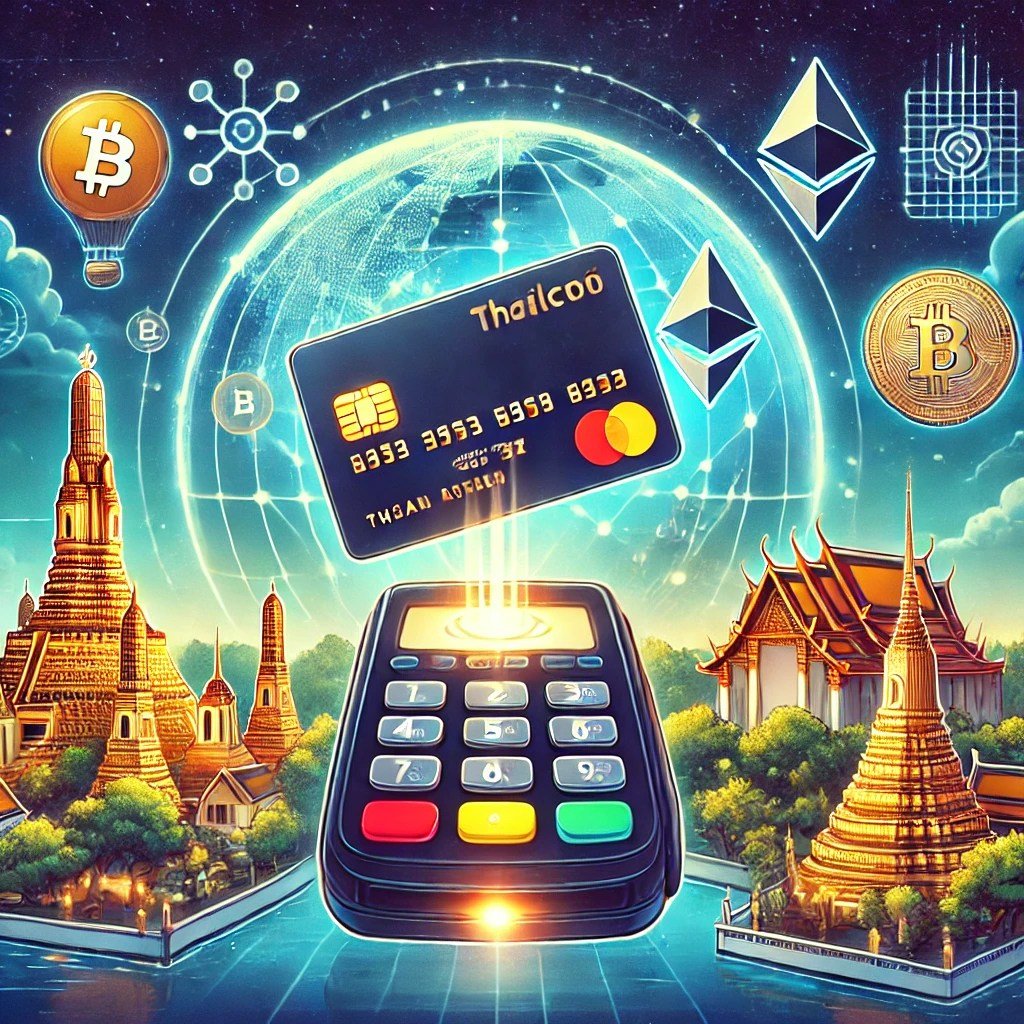
Under the proposed scheme, tourists will have the capability to connect their cryptocurrency holdings to credit cards, facilitating local transactions. Merchants receiving payments would continue to obtain funds in Thai baht, thus remaining unaware that cryptocurrencies were initially used.
According to Minister Pichai, the approach is specifically designed to mitigate risks associated with directly using cryptocurrencies in domestic transactions, safeguarding the stability of Thailand’s national currency.
The adoption of crypto spending for tourists aligns with Thailand’s strategic intent to attract tech-savvy international visitors and to position itself as a “forward-thinking, digitally inclusive economy.”
Minister Pichai emphasized that the planned system would be straightforward to implement, provided that all supportive technological and regulatory components are strongly established.
The pilot phase will serve as a practical evaluation of the approach, which if successful, could serve as a model for further integration of digital assets within Thailand’s financial ecosystem.
Currently, these two financial sectors operate under distinct sets of regulations, and the proposed unification would streamline operations and enhance market clarity.
Additionally, the Thai government is considering modernizing restrictions on institutional investors, allowing major financial entities, such as life insurers and large investment funds, greater access to equity markets and private-sector investments.
The Ministry of Finance is further drafting legislation intended to enhance the enforcement capabilities of the Thai Securities and Exchange Commission (SEC).
As part of this broader financial evolution, Minister Pichai also introduced the concept of “G-Tokens,” blockchain-based fractional government bonds accessible to retail investors. This initiative aims to improve investment returns for smaller investors and boost Thailand’s international financial profile.
Featured image created with DALL-E, Chart from TradingView