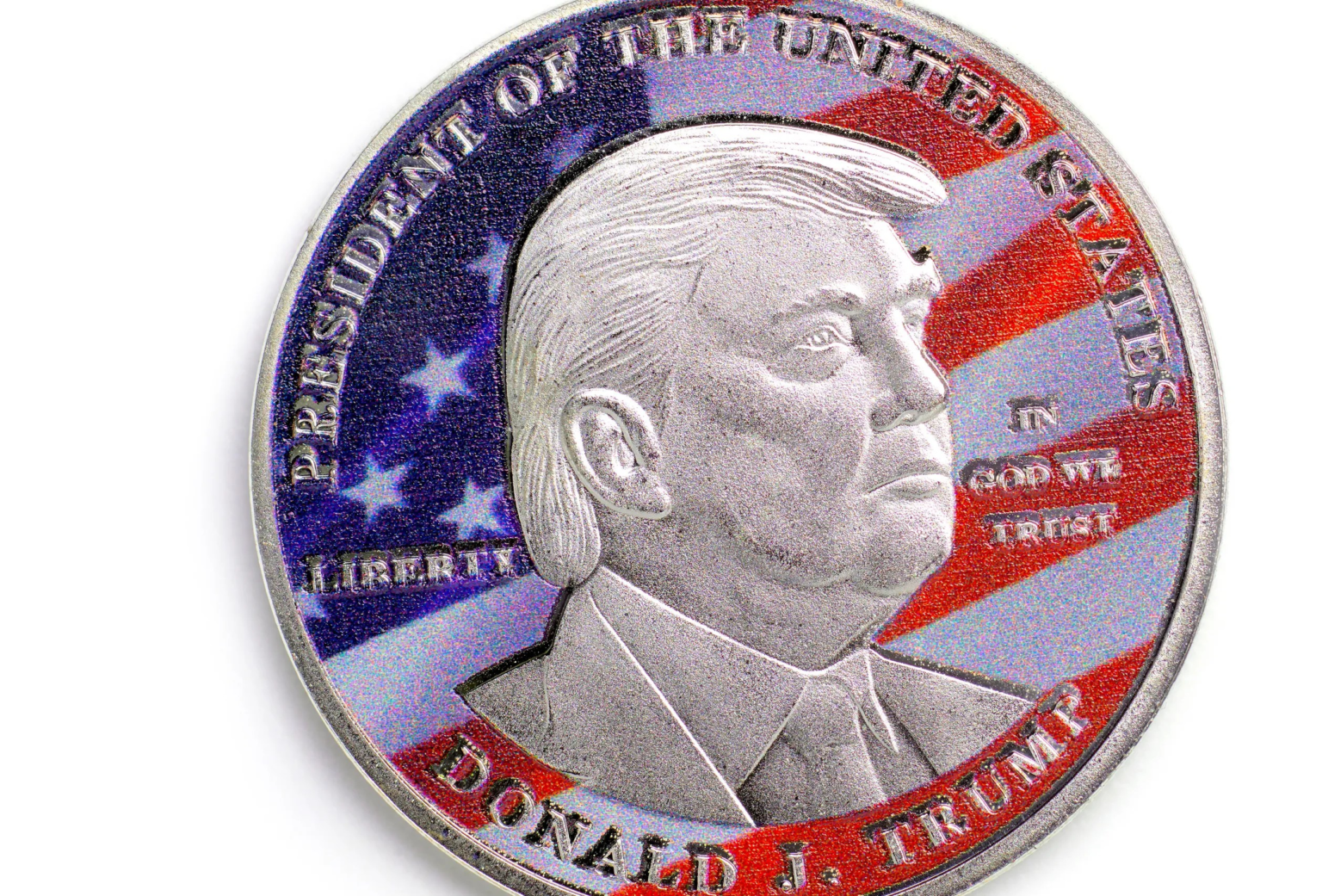
That registration is an early, procedural move and does not mean the fund has been filed with or approved by the US Securities and Exchange Commission.
Bloomberg’s Eric Balchunas has suggested Canary may be positioning for a filing under the 33 Act, which would differ from other teams that have used the 40 Act. That choice could change the form of filings and the timeline for review.
An entity registration in Delaware is a common legal step before formal SEC submissions like S-1s or 19b-4s. It signals intent and lets market participants spot plans early.
The filing has given TRUMP token holders reason for optimism because a regulated vehicle could bring new liquidity, but it would not change the token’s fundamentals.
Reports have disclosed that the TRUMP token saw a price uptick after the registration announcement. That reaction is typical: headlines attract retail attention, and memecoins are highly sensitive to news flow.
Still, TRUMP remains far below its January peak of $75 — about 60% below that high — and any fund launch would only channel speculation into a regulated wrapper, not create earnings or cash flows for the token itself.
There are risks to watch. Memecoins are commonly treated as commodities by regulators, which helps the case for ETF structures, but concentration in a few wallets, unclear custody arrangements, and the potential for market manipulation are real concerns.
Approval would likely require third-party custody, audits, and exchange surveillance plans that make the product less fragile than an unregulated token listing.
Featured image from Getty Images, chart from TradingView