


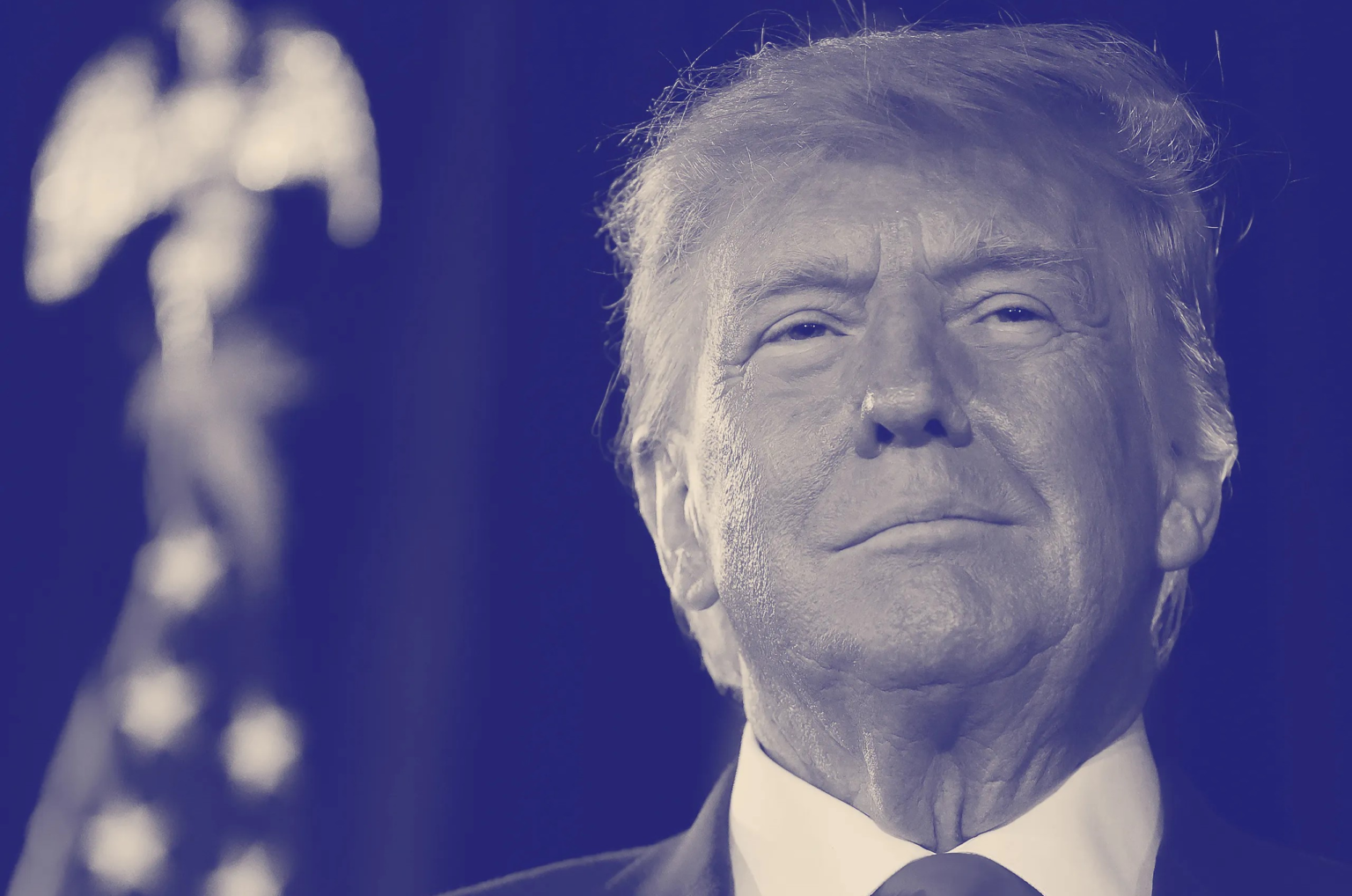
Reports say he threatened steep tariffs — including a 100% tariff on Chinese imports — after Beijing tightened controls on rare earths and related technology exports. Traders moved fast. Prices fell. Volatility spiked.
Many smaller tokens plunged even more, driven by thin order books and forced selling. Stock markets fell too, and some firms accelerated shipments to beat possible tariff dates. The mood turned cautious almost overnight.
“We’re in one now!”
“We have 100% tariffs.”
Reports have disclosed that the idea of crypto as a safe haven has taken a hit. Under the stress of rising geopolitical tension, digital assets have behaved more like stocks than gold.
Based on trade reporting, any prolonged curbs or tariffs could raise the cost of semiconductors and other parts used in mining hardware and data centers.
Higher input prices would push some smaller miners to the sidelines, and could slow planned hardware upgrades that support networks.
According to policy briefings and financial commentary, the political fight may bring new rules. If trade measures harden, regulators in several countries could tighten oversight of cross-border flows and exchanges out of concern for national security and financial stability.
At the same time, fragmentation of payments and finance between blocs could create both risks and openings for alternative payment rails built on blockchain. Capital flows may shift quickly as institutions reprice geopolitical risk and reallocate holdings.
Featured image from Getty Images, chart from TradingView






