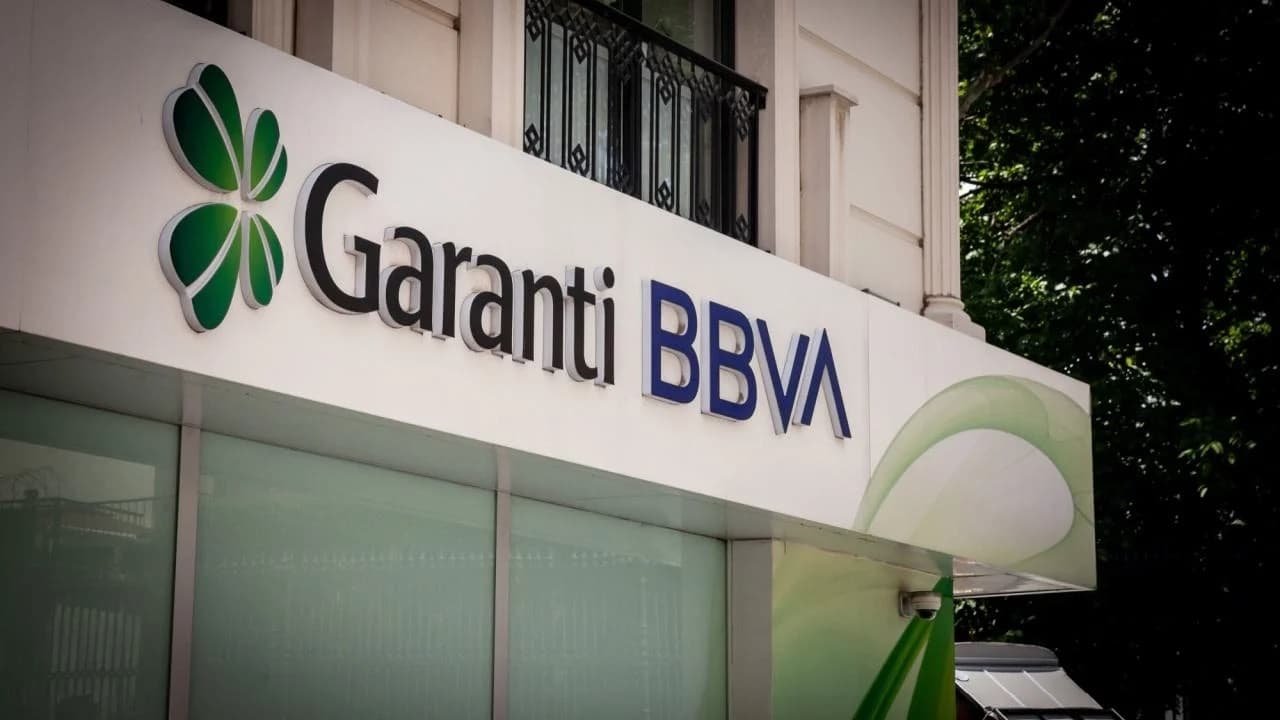
What the Launch of a Crypto Trading Service by Turkey’s 5th-Largest Bank Means for the Crypto Market.
In a groundbreaking move, one of Turkey’s largest financial institutions, the 5th-largest bank, is set to launch a crypto trading service, marking a significant shift for the Turkish banking industry and the broader financial sector. This launch highlights the growing integration of cryptocurrency into mainstream financial services, paving the way for a new era of digital asset trading in the region.

Turkey has already taken a progressive posture towards digital currencies, with institutional investors and ordinary traders becoming increasingly interested. The unveiling of a major bank’s crypto trading service signals a move in traditional banking infrastructure to accept blockchain technology and cryptocurrencies, in response to increased demand for digital assets.
Also Read: record-figures-for-crypto-airdrops-almost-15-billion-set-to-be-distributed-in-2024
By introducing crypto trading to their customers, this bank is putting itself at the forefront of Turkey’s growing crypto business. This business is anticipated to offer clients a seamless and safe platform for buying, selling, and trading popular cryptocurrencies like as Bitcoin, Ethereum, and other altcoins. The bank’s reputation and proven customer base are likely to help develop trust in cryptocurrency transactions, which have previously been viewed with scepticism in some countries.
The launch of this service is part of a bigger trend in Turkey, where various financial institutions are investigating the potential of bitcoin. While regulatory frameworks for crypto trading are still evolving, the Turkish government has been looking into methods to incorporate cryptocurrency into the economy. The success of this program could have a significant impact on the country’s cryptocurrency trading and adoption rules.
For crypto fans and investors, the opening of a cryptocurrency trading service by a large Turkish bank is a welcome prospect. It creates opportunities for improved liquidity, ease of access, and future growth in Turkey’s cryptocurrency sector. Furthermore, with the support of a reputable institution, customers can expect greater security and transparency than some of the unregulated platforms available today.
The growing adoption of cryptocurrencies as an asset class has led banks and financial institutions to recognise the need to adapt. In the near future, we may see more traditional banks around the world providing comparable services, showing a shift in how digital assets are considered inside the larger financial system.
To summarise, the establishment of a crypto trading facility by Turkey’s fifth-largest bank is a significant move that indicates the increasing institutionalisation of cryptocurrencies. This service will not only increase crypto aficionados’ access to digital currencies, but will also help to legitimise crypto trading in the broader financial system.