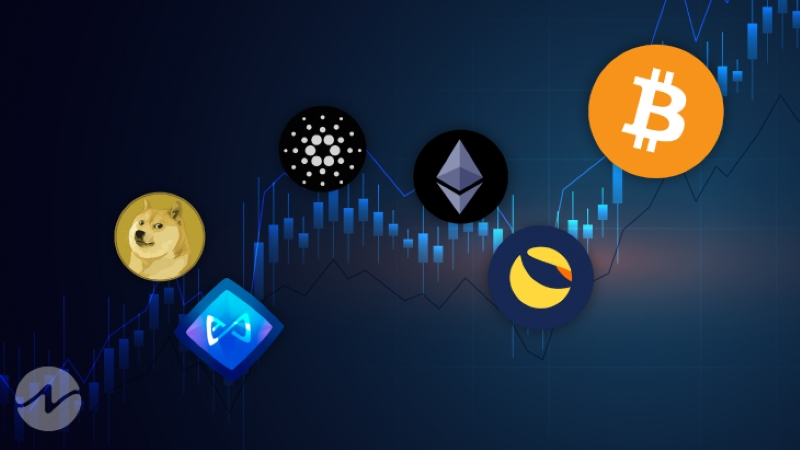
Altcoins, short for “alternative coins,” are cryptocurrencies created after Bitcoin to offer different features, use cases, and technological innovations. As the crypto market evolves in 2025, altcoins play a crucial role in expanding blockchain adoption across decentralized finance (DeFi), non-fungible tokens (NFTs), gaming, artificial intelligence, and real-world asset tokenization. This comprehensive guide explains what altcoins are, how they work, and why they remain an essential part of cryptocurrency investment strategies.
Unlike Bitcoin, which primarily functions as a store of value and digital gold, altcoins are designed to solve specific problems or enhance blockchain capabilities. Popular examples include Ethereum for smart contracts, Solana for high-speed transactions, and Avalanche for scalable decentralized applications. Stablecoins, utility tokens, governance tokens, and meme coins also fall under the altcoin category, each serving a unique purpose within the crypto ecosystem.
In 2025, altcoin investments are influenced by several key factors, including network utility, developer activity, tokenomics, regulatory clarity, and market cycles. Investors are increasingly focused on projects with real-world adoption, sustainable revenue models, and strong security frameworks. Layer-2 solutions, interoperability protocols, and AI-powered blockchains are emerging as some of the most promising sectors within the altcoin market.
This guide also explores the risks associated with altcoins, such as higher volatility, liquidity challenges, and regulatory uncertainty. While altcoins can offer significant upside potential compared to Bitcoin, they often experience sharper price swings. Understanding market trends, conducting thorough research, and managing risk are essential for navigating altcoin investments effectively.
For beginners, diversifying across multiple altcoins, avoiding hype-driven tokens, and focusing on long-term value creation can help reduce risk. For experienced investors, identifying early-stage projects, monitoring on-chain data, and tracking macroeconomic signals can provide an edge in a rapidly changing market. As institutional interest in crypto grows, altcoins with strong fundamentals may benefit from increased capital inflows.
Whether you’re new to cryptocurrency or looking to refine your investment approach in 2025, understanding altcoins is critical to building a balanced and informed crypto portfolio. This guide provides a clear roadmap to navigating the altcoin market, highlighting opportunities, risks, and strategies for investing in the next phase of blockchain innovation.