


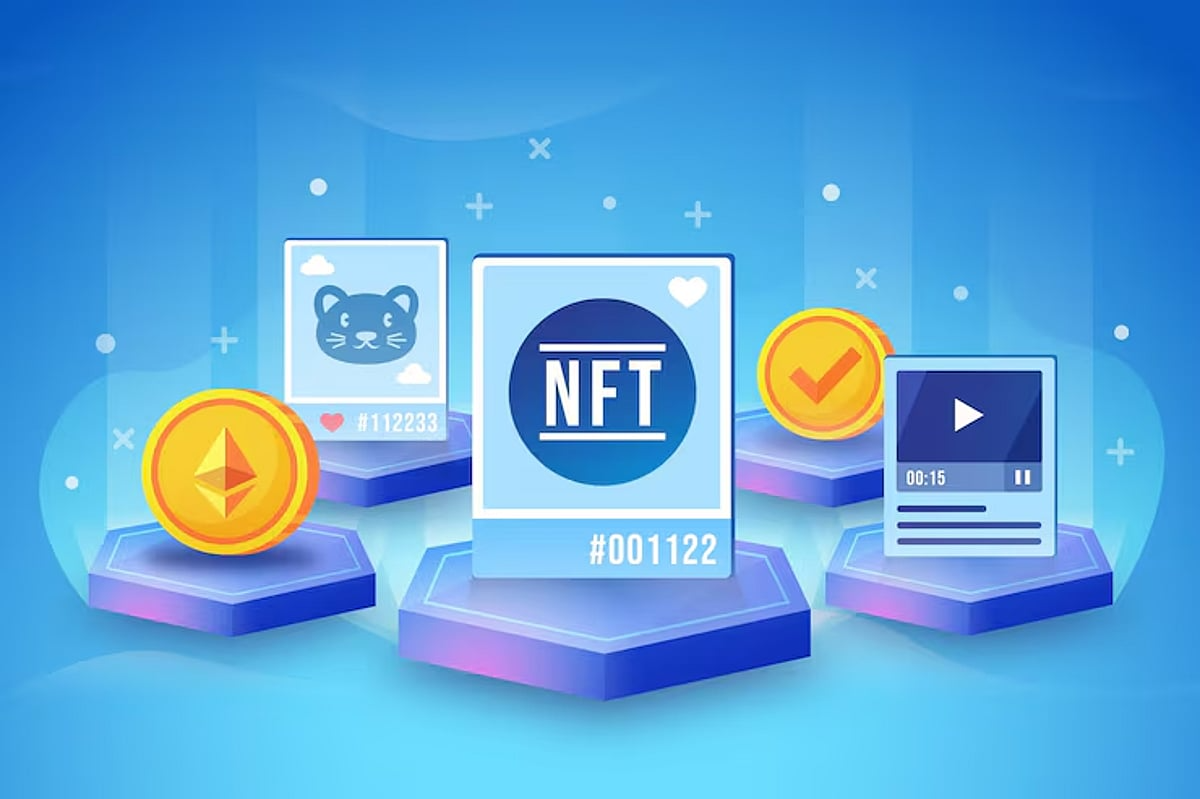
NFT marketplaces have emerged as the backbone of the digital collectibles economy by providing a structured, transparent, and scalable environment for creators, collectors, traders, and brands to interact. In the rapidly evolving world of Web3, these platforms serve as the foundational infrastructure enabling the seamless creation, discovery, purchase, and exchange of unique digital assets. Without NFT marketplaces, the ecosystem would lack liquidity, provenance tracking, user trust, and global accessibility — all of which are critical for the growth of digital collectibles.
One of the primary reasons NFT marketplaces hold such significance is their ability to verify ownership and authenticity through blockchain technology. They ensure that every digital collectible, whether an artwork, music track, gaming item, or virtual real estate parcel, is traceable and cannot be counterfeited. This trust layer has allowed artists and creators to monetize their work securely while retaining royalties through automated smart contracts.
Marketplaces also act as hubs of liquidity, where buyers and sellers converge, pricing is established, and trends emerge. Their auction mechanisms, fixed-price listings, and secondary markets allow NFTs to gain real-world value and enable collectors to trade assets with ease. Platforms like OpenSea, Blur, Magic Eden, and Rarible have contributed significantly to the global adoption of NFTs by offering user-friendly interfaces and broad asset categories.
Additionally, NFT marketplaces support creator empowerment by removing gatekeepers and enabling global exposure. Artists can launch collections without depending on traditional galleries or publishers, while brands and companies use these platforms to engage with audiences in new and innovative ways. This has led to the rise of digital fashion, music NFTs, in-game assets, tokenized memberships, and metaverse collectibles — all powered by marketplace infrastructure.
Another major factor is interoperability. Many NFT marketplaces integrate with wallets, Layer-2 networks, cross-chain protocols, and analytics tools, enhancing user experience and reducing transaction costs. This interconnectedness makes the digital collectibles economy more fluid, accessible, and resilient.
As blockchain technology evolves, NFT marketplaces continue to expand their role by supporting fractional ownership, tokenized real-world assets, AI-generated collections, and advanced curation features. They are no longer just trading platforms but full-fledged ecosystems shaping digital identity, culture, and commerce.
In essence, NFT marketplaces enable trust, liquidity, accessibility, and innovation — the core pillars required for a thriving digital collectibles economy. Their influence will only grow as Web3 adoption accelerates and more industries embrace tokenized digital ownership.






