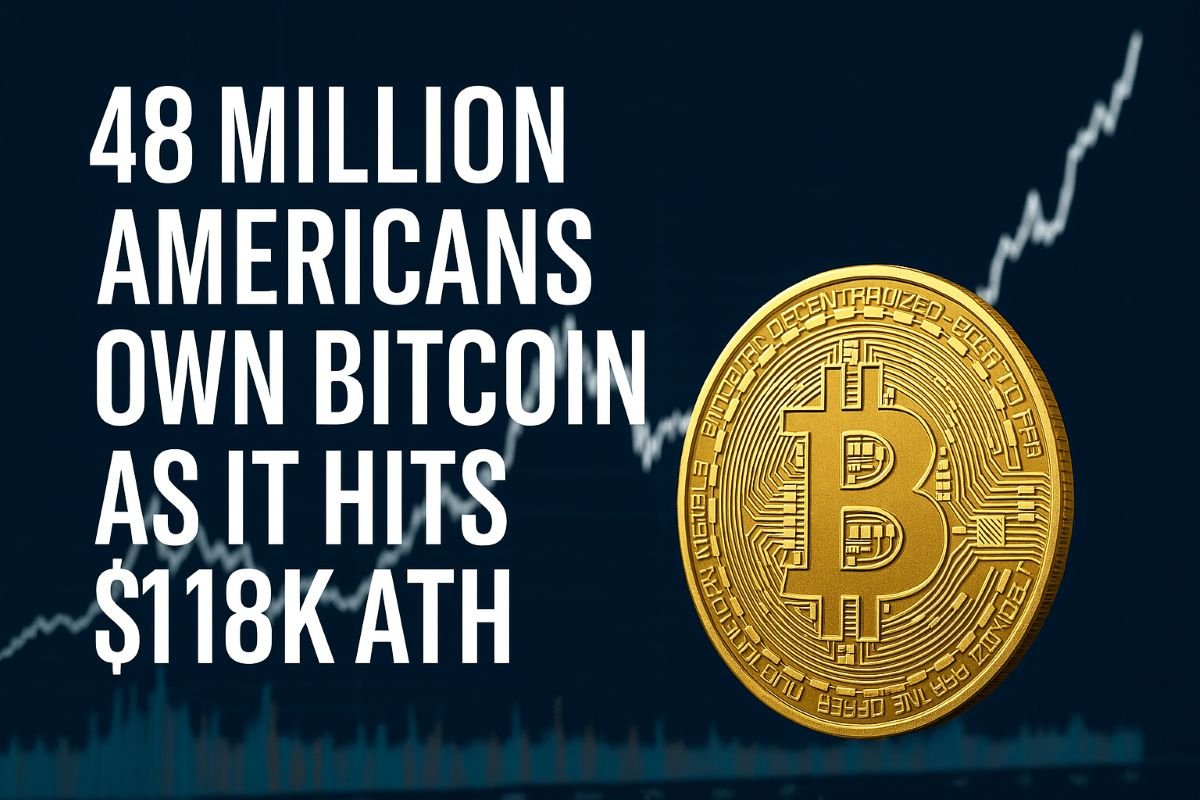
On July 10–11, 2025, Bitcoin surged past its previous highs to reach a new all-time-high – $118,403.89 in the early hours of July 11, 2025.
That price marks a monumental shift in the crypto landscape. What began as a modest breakout above $112,000 in early July has quickly turned into a rally with deep roots – both structural and speculative.
Good fundamentals and a general bullish outlook could send Bitcoin even higher. And as Bitcoin rises, key altcoins and meme coins – including Snorter Token ($SNORT) – could be poised to take off.
Here’s what it all means for Bitcoin and for investors considering what happens next.
Macroeconomic trends further strengthen BTC’s case. The recent passage of the U.S. $3.3T ‘Big Beautiful Bill’ expanded fiscal deficit expectations by $410B, encouraging investors toward Bitcoin as a hedge against inflation and fiat weakness .
On top of this, hopes for a Federal Reserve rate cut – possibly in September – have added fuel to the rally.
Regulatory tailwinds, including stablecoin legislation and crypto‑friendly governance, are reshaping investor confidence.
Corporations have joined the fray, accumulating $BTC as reserve assets. Notable firms with Bitcoin reserves include:
Technical support currently sits around $113K, with resistance at $120K and $128.5K. And Bitcoin isn’t out of the woods – historical volatility and its correlation with traditional markets mean adverse macro events, like tariff wars or market downturns, could trigger price pullbacks.
It’s a rising tide, and all the boats are going up. For projects like Snorter Token ($SNORT), it’s the perfect example of perfect timing.
Meme coins are funny things; thousands are created every day, with countless opportunities for major gains. But the average investor will never see those chances, with many meme coins appearing (and disappearing) on platforms like Telegram.
The Snorter Bot itself provides an advanced trading utility:
Bitcoin’s climb to the $118K+ range isn’t driven by speculation alone. It reflects deep institutional adoption, macro trends favoring scarce digital assets, and growing corporate treasury use.
As always, do your own research – this isn’t financial advice.