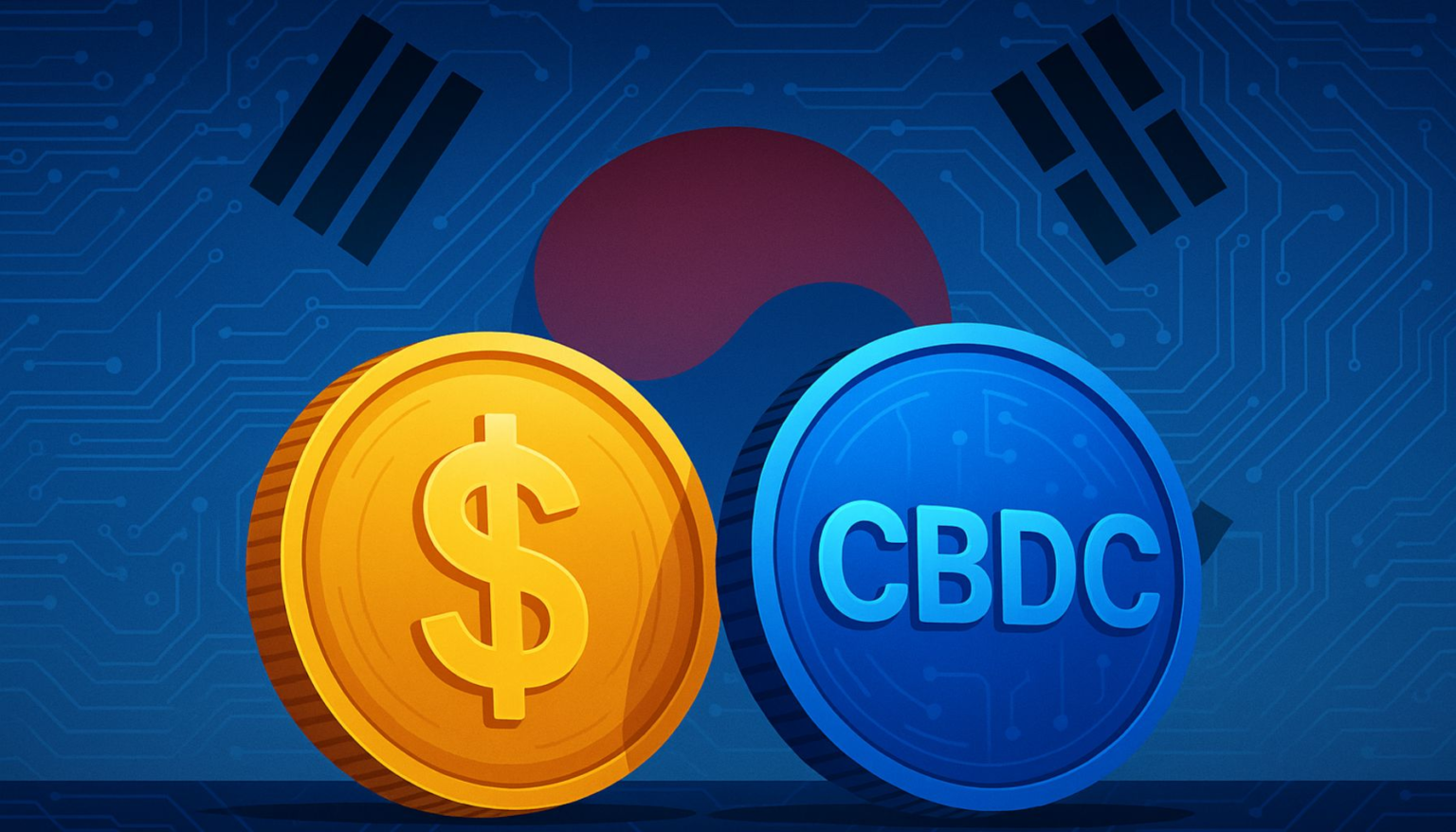
As part of a broader organizational shift, the central bank will rename its Digital Currency Research Lab to the Digital Currency Lab starting July 31. This change is intended to reflect a transition from pure research toward more business-oriented development. Additionally, Team 1 and Team 2 of the former Digital Currency Technology Division will be restructured into two new units: the Digital Currency Technology Team and the Digital Currency Infrastructure Team. These teams will focus on privacy-preserving technologies, deposit-token platforms, and testing environments for stablecoin usability.
The Digital Currency Lab, which evolved from the Research Department earlier this year, remains at the forefront of South Korea’s central bank digital currency (CBDC) initiatives. One of its key projects is “Project Han River,” a long-term initiative designed to test the real-world usability of a digital won. The first phase of testing concluded successfully at the end of last month, but the second phase has been put on hold. The delay stems from concerns raised by participating banks over the lack of a long-term roadmap and the financial burden of continued participation.
This reinforces a key trend in global finance: the accelerating adoption of stablecoins beyond the US. South Korea’s evolving framework highlights the increasing importance of national stablecoin initiatives, particularly as countries seek to modernize payment systems and maintain sovereignty over digital financial infrastructure.
The combined dominance of USDT and USDC currently sits at 5.96%, according to the weekly chart, reflecting a relatively neutral stance in stablecoin capital positioning. After peaking above 18% in early 2022—during a period of heavy risk-off sentiment—the metric has been on a gradual decline, indicating a shift of capital out of stablecoins and back into risk assets.
The chart shows that USDT+USDC dominance has consistently struggled to hold above the 50-week (6.57%), 100-week (6.93%), and 200-week (8.38%) moving averages. Recent price action confirms resistance near these levels, with dominance now testing its mid-cycle support around the 6% threshold.
This downtrend typically suggests growing risk appetite, as capital rotates out of stablecoins and into volatile assets like BTC, ETH, and altcoins. However, the fact that dominance has not broken below 5% reflects a cautious market that still maintains a strong base of sidelined capital.
Featured image from Dall-E, chart from TradingView