


Lee made these remarks at the Blockchain Leaders Club event on Tuesday. He sees a chance for banks, businesses, and even individuals to use a state-issued token on networks like Ethereum or others.
Based on reports, stablecoins accounted for about 47% of South Korea’s crypto outflows in Q1. That equals nearly 27 trillion won (USD $19.1 billion).
He said it could threaten monetary sovereignty, spur financial instability, and even help money laundering.
Those figures show how fast private issuers are growing. Lee noted that South Korea must act before foreign coins dominate local trading.
Major exchanges like Bithumb, Coinone, and Korbit were at Tuesday’s event alongside regulators. Their presence underlines how crypto firms want a say in rules.
Meanwhile, opposition leader Lee Jae-myung has promised a won-backed stablecoin if he wins the presidency. He argues it could cut the 56.8 trillion won ($40.8 billion) crypto outflow and make local trading easier.
Other lawmakers, such as Min Byoung-dug of the Democratic Party, say South Korea must “take the lead in institutionalizing stablecoins” before US-pegged tokens take over.
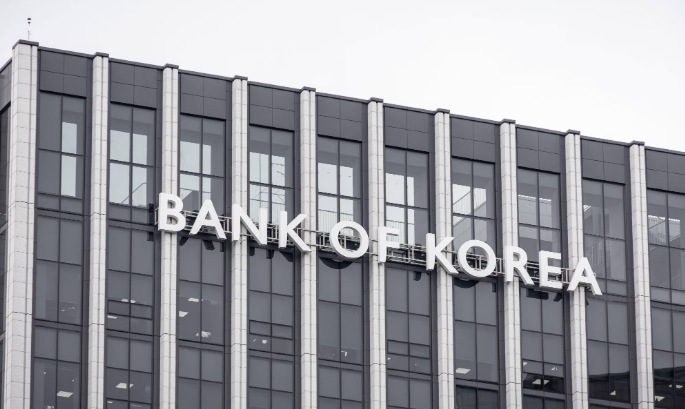
Additional tests are planned by the Bank of Korea this year. It will look at how to keep tokens secure, maintain the privacy of users and comply with anti-money laundering regulations.
If those pilots go well, a business pilot could arrive by 2026. That would mean a huge shift in how money works in South Korea, possibly leading other countries to follow suit.
Featured image from Bloomberg, chart from TradingView





