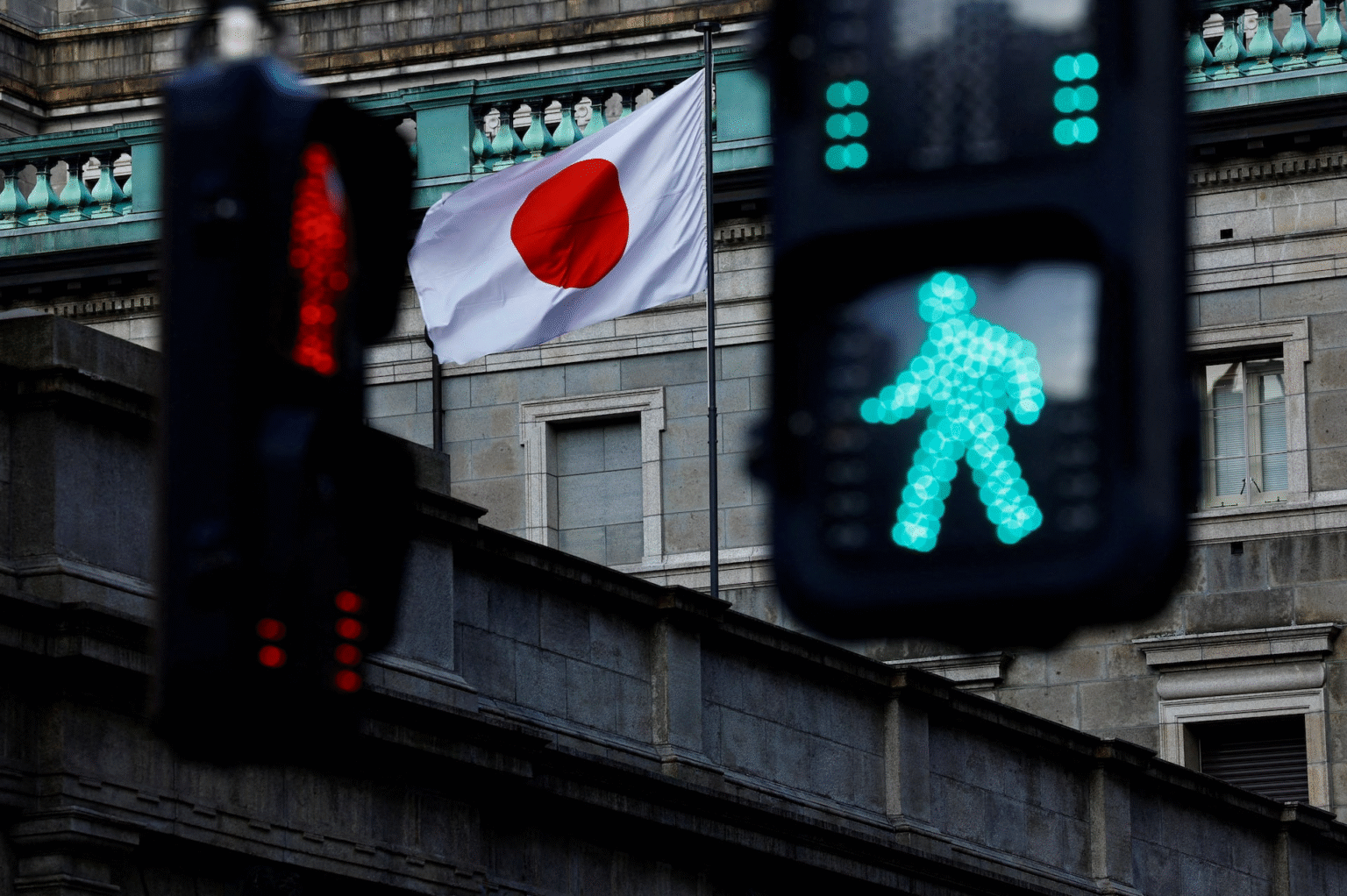
The Bank of Japan (BOJ) is reportedly considering raising interest rates to their highest level since 1995, marking a potential historic shift in the country’s long-standing monetary policy. After decades of ultra-loose financial conditions, negative rates, and aggressive stimulus measures, Japan may be preparing to tighten its stance as inflation remains above target and wage growth strengthens across multiple sectors. A move of this scale could reshape financial markets, impact global currency flows, and redefine Japan’s economic trajectory.
For years, the BOJ has maintained one of the world’s most accommodative monetary policies in an effort to combat deflation and stimulate growth. However, the economic environment has changed significantly. Recent data shows sustained inflation driven by rising import costs, improved consumer spending, and corporate wage hikes—factors that are pressuring policymakers to reconsider their strategy. A rate increase to levels not seen since 1995 would reflect growing confidence in Japan’s ability to maintain stable inflation without excessive stimulus.
Such a decision would have far-reaching implications for global markets. A higher Japanese interest rate could strengthen the yen, affecting international trade balances and reducing the appeal of the popular “yen carry trade,” where investors borrow at low rates in Japan to invest in higher-yielding assets elsewhere. If the yen appreciates sharply, export-driven companies may face margin pressure, while import costs for households and businesses could decline. Global equity and bond markets may also react as international investors rebalance portfolios in response to shifting Japanese yields.
Domestically, a significant rate hike could bring both opportunities and challenges. Savers may benefit from better deposit returns, while households with variable-rate loans could experience increased repayment burdens. Businesses, particularly small and medium-sized enterprises, may encounter higher borrowing costs, potentially slowing investment. However, stronger wages and easing inflation pressures could help offset some of these risks and support long-term economic stability.
The BOJ’s potential move also reflects a broader trend among central banks transitioning away from crisis-era policies. As global inflation stabilizes, monetary authorities are recalibrating their stances to ensure sustainable growth without overheating. Japan’s shift would mark one of the most closely watched transitions, given the country’s long history of deflation and its unique role in global financial systems.
Market analysts believe that the timing and magnitude of any rate increase will depend heavily on upcoming wage negotiations, consumer spending data, and international economic conditions. While the BOJ remains cautious, its recent signals indicate a growing willingness to break from its decades-old policy framework.
If implemented, this rate hike could become one of the most significant monetary policy events in Japan in nearly 30 years—reshaping expectations and ushering in a new era for the Japanese economy.