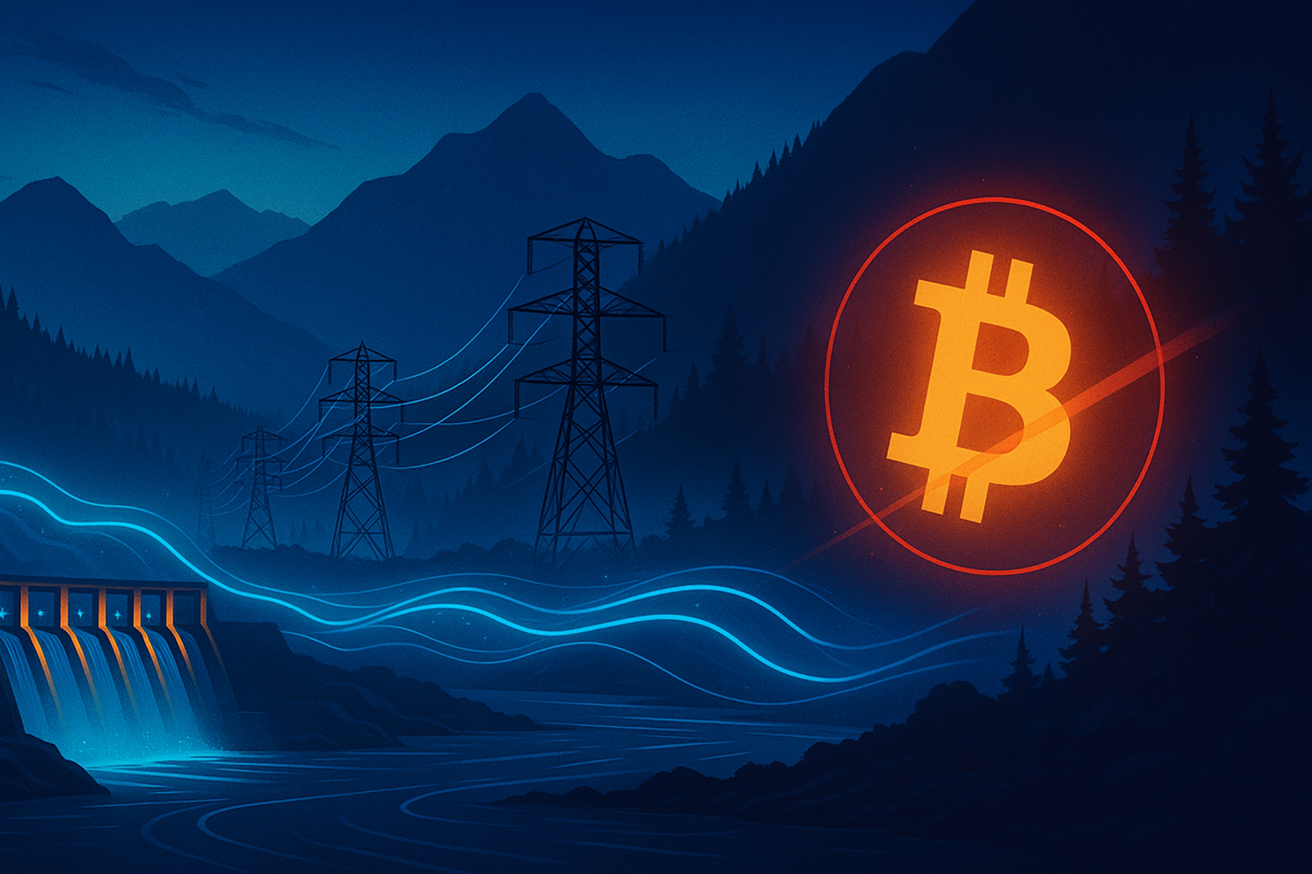
Canada’s British Columbia is set to put a permanent stop on new grid connections to operations related to mining of Bitcoin and other cryptos.
The ministry said the legislation is to “ensure electricity is available for sectors that produce jobs, generate public revenues, and have the greatest opportunity to decarbonize, including mining, upstream natural gas, LNG, and manufacturing.
New cryptocurrency mining connections have already been suspended in British Columbia since December 2022, due to what the ministry described as the industry’s “disproportionate energy consumption and limited economic benefit.”
Initially, the suspension was to last 18 months, but in 2024, the government extended the period to 36 months. The mining ban would have been lifted in December 2025, but with the latest policy, the province has decided to make it permanent instead.
For other industries with limits on power, BC Hydro will have projects compete in early 2026 for “a two-year period that allocates 300 megawatts (MW) for AI, 100 MW for data centres, and amounts for hydrogen exports that will be set at a later time, as market conditions warrant.”
Laos, which is another hub of hydroelectric power, intends to similarly redirect power away from digital-asset mining operations toward industries that produce jobs and add value to the local economy. In the case of the Asian country, the sectors its government is considering prioritizing include AI, metal refining, and electric vehicles.
Bitcoin has again seen a pullback as its price has come back down to the $108,600 level.