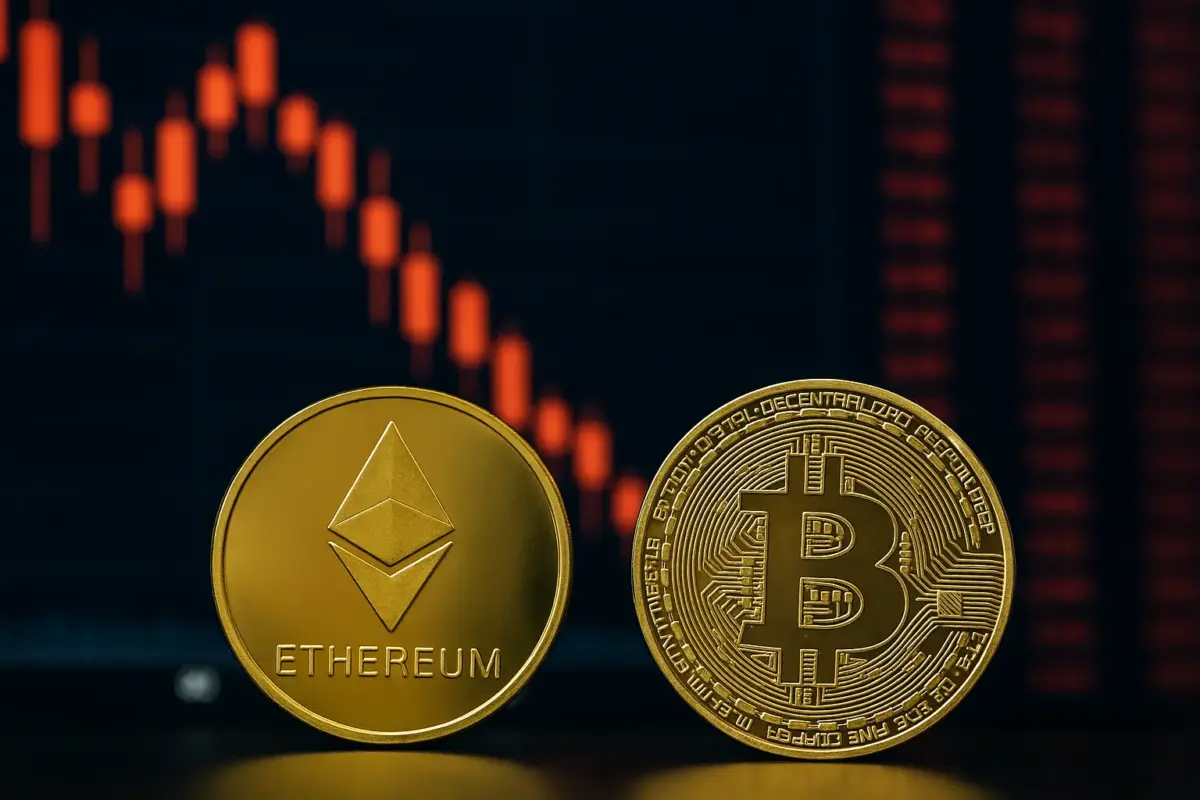
The global cryptocurrency ETF market is showing clear signs of divergence as investors navigate a complex economic environment marked by inflation pressures, shifting monetary policies, and volatile market sentiment. While some crypto-backed exchange-traded funds have seen steady inflows driven by institutional confidence, others are experiencing notable outflows as traders reassess their risk exposure. This split performance highlights the uncertainty dominating both traditional financial markets and the digital asset sector.
With central banks adopting varied approaches toward interest rate adjustments, investor behavior toward risk assets—including crypto ETFs—has become increasingly inconsistent. Bitcoin and Ethereum ETFs tied to spot assets have benefited from long-term accumulation strategies, while futures-based ETFs have struggled due to rollover costs and heightened market volatility. This divergence underscores the difference between long-term institutional positioning and the short-term reactions of retail-driven funds.
Economic uncertainty is also shaping sector-specific ETF trends. Funds focused on blockchain technology, Web3 innovation, and decentralized finance (DeFi) have attracted renewed interest from investors seeking exposure beyond volatile token prices. Meanwhile, ETFs tied directly to smaller-cap cryptocurrencies or speculative digital assets have seen reduced momentum, reflecting a broader move toward quality and stability in turbulent markets.
Geopolitical tensions, fluctuating liquidity conditions, and mixed regulatory signals from major economies continue to add complexity. Despite these challenges, the growing diversity within the cryptocurrency ETF landscape indicates that investor interest remains strong—even if uneven. As market participants look for clarity, analysts expect that macroeconomic developments and regulatory decisions will play a decisive role in shaping ETF flows over the coming months.
The divergence in the crypto ETF market ultimately showcases its maturation: investors are becoming more selective, more strategic, and more attuned to global economic cues. Whether this trend leads to consolidation, innovation, or a renewed wave of inflows will depend heavily on the economic outlook and the stability of the broader crypto ecosystem.