


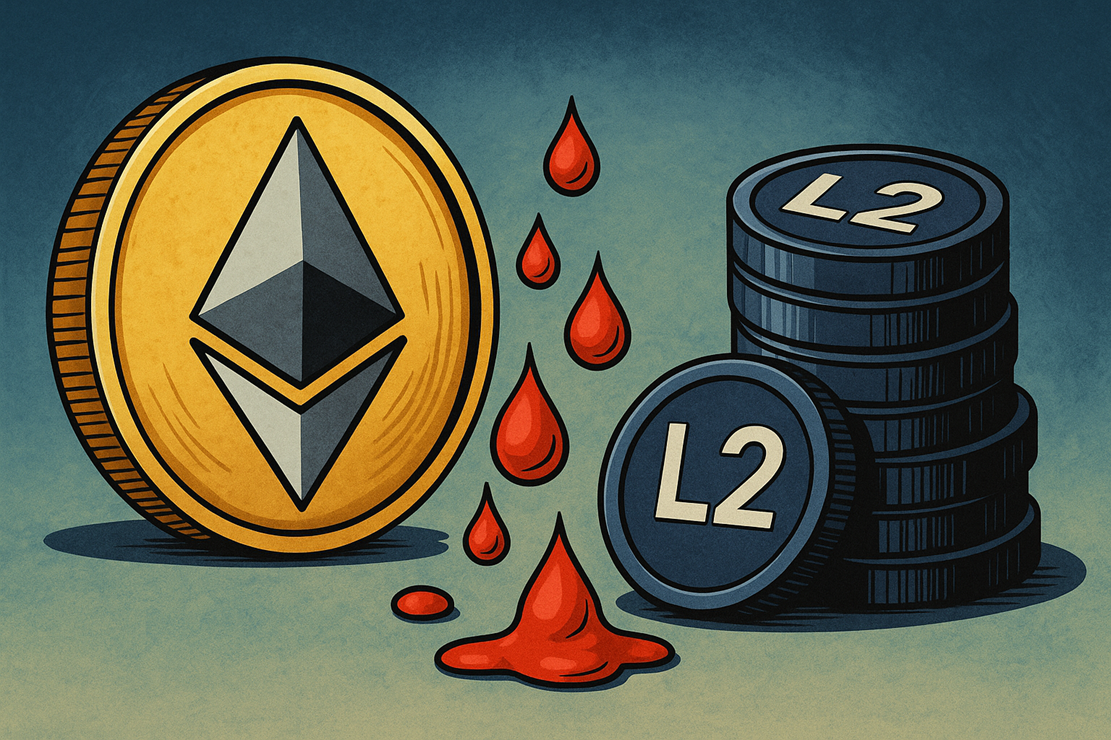
“Is Coinbase siphoning value from Ethereum and using the proceeds to buy bitcoin?” he asked, framing the decision as evidence that roll-ups can divert economic gravity away from ETH toward alternative assets. Coinbase’s July 31 X post confirms the bitcoin accumulation: 11,776 BTC held at a $740 million cost basis, now valued at $1.26 billion.
Buterin acknowledged that frequent ZK proofs remain costly—single submissions today consume roughly 500,000 gas—yet anticipated near-term aggregation of many roll-up proofs into one, uploaded “once per slot,” unlocking near-instant cross-L2 liquidity while keeping Ethereum the settlement and asset-issuance hub. In his view, technical convergence on validity proofs will erode the advantage of centralized multi-sig bridges that Thorn decries, restoring both security and economic alignment.
For now the gulf between the two perspectives remains. Thorn views the status quo as extraction: centralized sequencers capture margins while remitting negligible fees to stakers, and governance remains anchored in corporate committees rather than permissionless validators. Buterin counters that the pathway to stronger alignment lies through cryptographic engineering that removes the week-long friction keeping capital parked in L2 coffers. Whether economics or engineering wins the argument may hinge on how quickly roll-ups can deploy cheap ZK systems— and whether users will wait for the upgrade or continue rewarding the most profitable sequencers in the meantime.
At press time, ETH traded at $3,841.






