


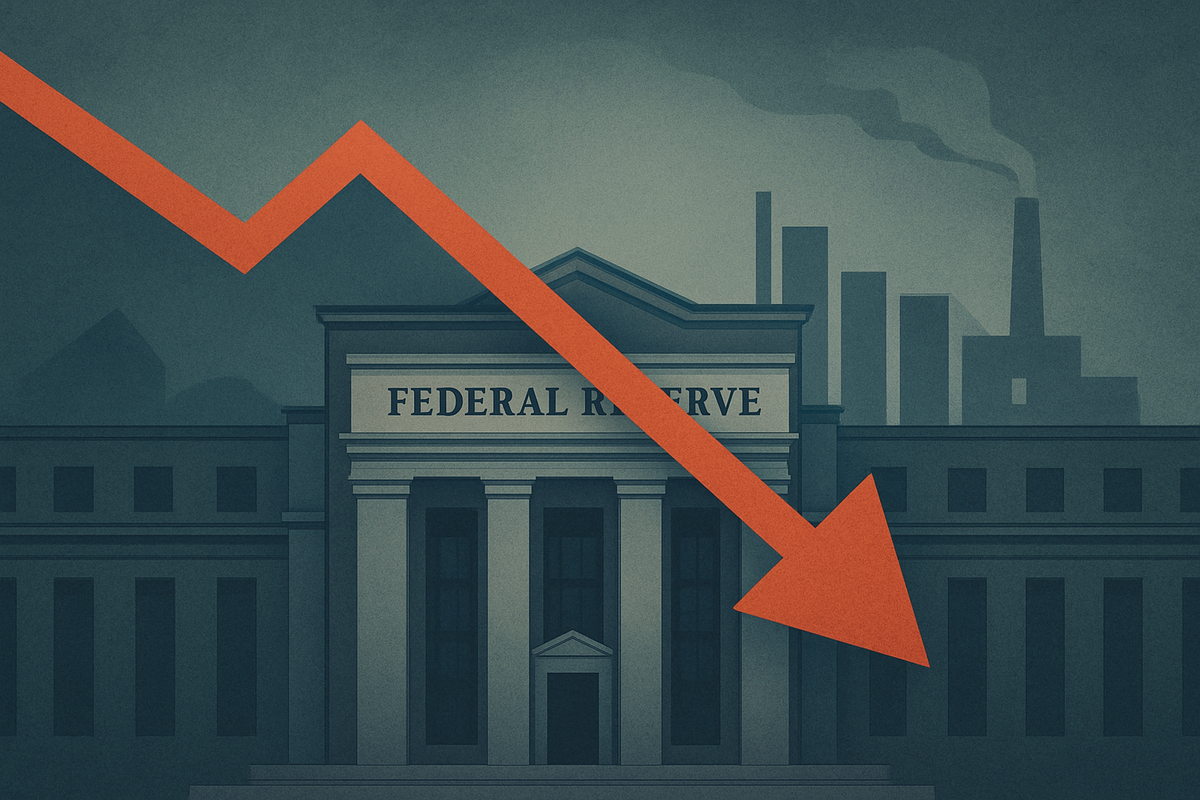
The U.S. Federal Reserve is widely expected to lower interest rates as new economic data reveals a weakening labor market and slowing growth momentum. After months of elevated borrowing costs, rising unemployment claims, and cooling wage pressures, policymakers appear ready to pivot toward a more accommodative stance. Economists say the Fed’s upcoming decision could be one of the most impactful shifts in monetary policy in recent years, reshaping financial markets, consumer behavior, and global economic trends.
A softening labor market has become the primary catalyst behind the anticipated rate cut. Job creation has slowed across multiple sectors, layoffs have risen, and hiring data indicates businesses are becoming more cautious amid persistent economic uncertainty. These signs suggest the U.S. economy may be losing steam faster than previously forecast, prompting the Fed to act preemptively to avoid a deeper economic slowdown.
Lower interest rates would reduce borrowing costs for households and businesses, potentially boosting sectors such as housing, small business financing, and consumer spending. However, the move also raises questions about inflation, which, while cooling, remains slightly above the Fed’s 2% target. Analysts warn that cutting rates too soon could reignite price pressures, while delaying cuts risks further weakening job growth and consumer confidence.
Financial markets are already reacting, with stocks showing cautious optimism and bond yields fluctuating in anticipation of the policy shift. Investors are watching closely to see how aggressively the Fed plans to cut and how long the easing cycle may last. Global markets, particularly emerging economies, could also experience ripple effects as shifts in U.S. monetary policy influence currency flows and international trade dynamics.
This article explores the economic indicators pushing the Federal Reserve toward a major policy adjustment, the potential consequences for markets and consumers, and what the next phase of U.S. monetary policy could look like in a changing economic landscape.






