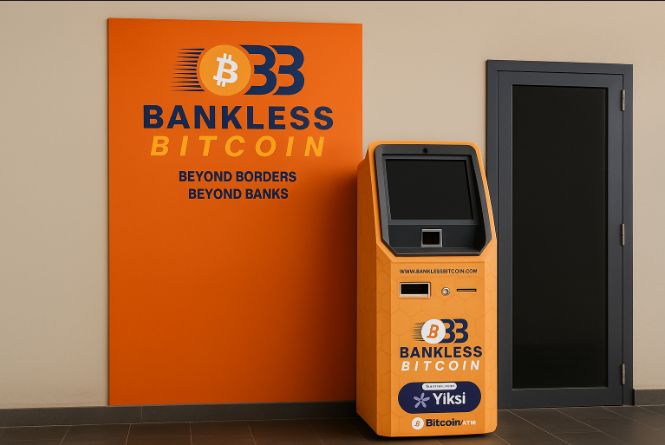
Bitcoin ATMs branded “Bankless Bitcoin” have been spotted inside busy shopping centers in Nairobi, including Two Rivers Mall and outlets along Ngong Road in Westlands.
The presence of the kiosks has drawn attention because they arrived as Kenya’s new Virtual Assets Service Providers Act came into force on November 4, 2025.
Until those regulations are released, the regulators warned that any firm claiming it is licensed is operating outside the law.
The project paid small grants after weekend clean-ups, and AfriBit says about $10,000 has been distributed so far. About 200 people in that community now use Bitcoin for savings or payments, and some local merchants and the so-called “boda boda” (border to border) motorcycle riders accept it.
For people who often lack ID or bank accounts, holding value in Bitcoin has been described as a form of financial freedom by project leaders, especially for those living on about one dollar a day.
The kiosks make buying and selling crypto as simple as using a cash machine. That convenience also brings immediate concerns about their operators, the kind of identity checks they use, and how customer funds are handled after each transaction.
Those details are not clear from the public images and early reports. Price swings in Bitcoin mean someone can buy and then lose value quickly.
The VASP Act sets out obligations for service providers once licensing begins, including measures to prevent illicit finance.
Based on reports, the law seeks to balance consumer protection with room for new services to operate under supervision.
The Treasury’s upcoming regulations will determine how strict KYC requirements will be, what transaction limits might apply, and how oversight will be shared between the two agencies.
Featured image from Capital News, chart from TradingView